.svg)


I've been talking to founders who think scaling a marketplace to 1M listings requires a 50-person engineering team. They're wrong. In the traditional model, data ingestion is linear. Each new asset needs more human oversight and manual entry. This is the architectural trap that keeps high-revenue businesses stuck in low-margin operations.
I saw this clearly at Islands when we built DomainEasy. We did not build a better search tool. We built an AI marketplace automation layer. It handles the full domain business lifecycle. This approach allowed a lean team to manage assets that would usually require a massive engineering headcount. The goal was to offer a scalable alternative to legacy platforms. It did this by removing the hidden cost of manual maintenance.
The shift from assistants to autonomous systems
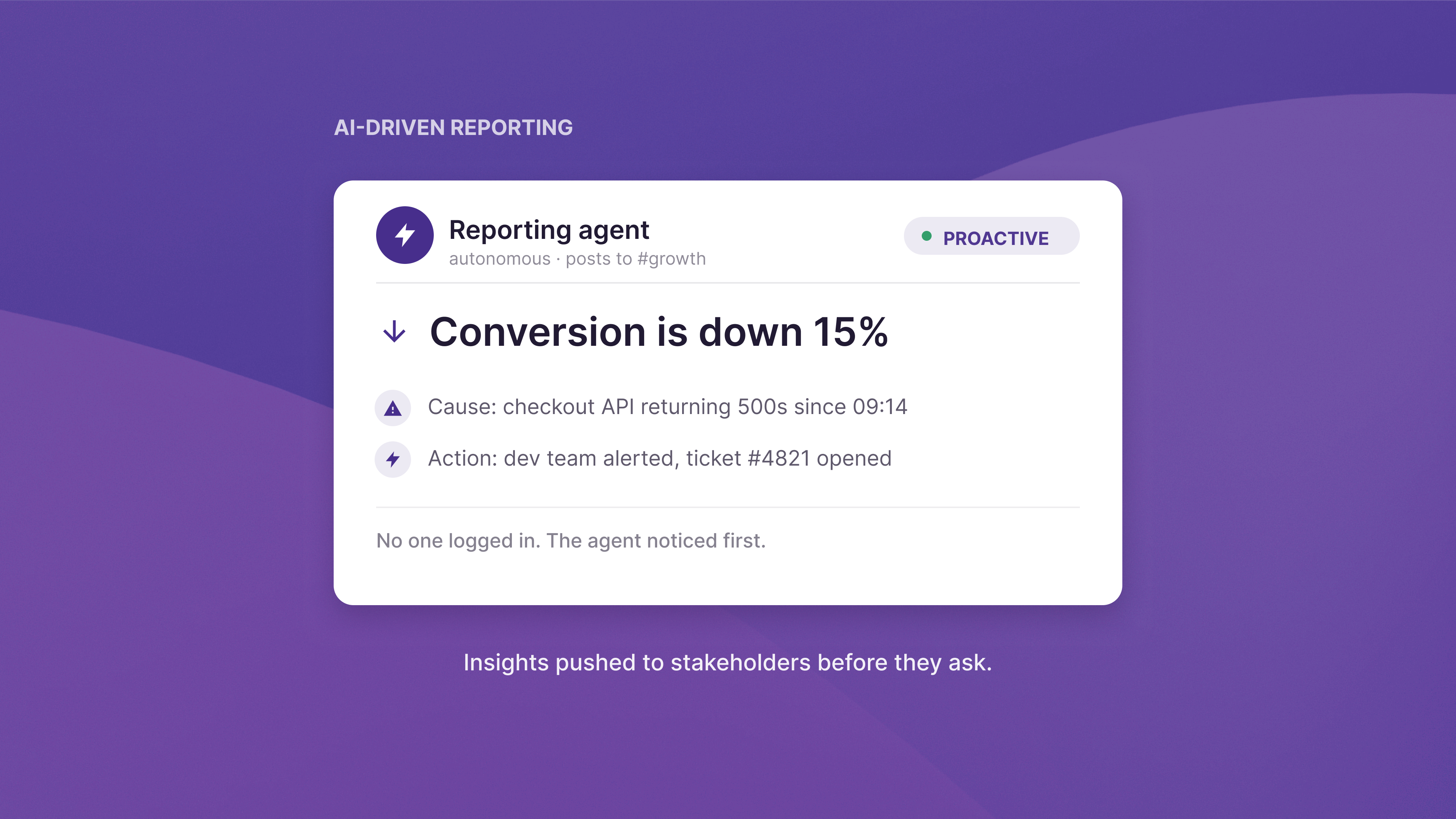
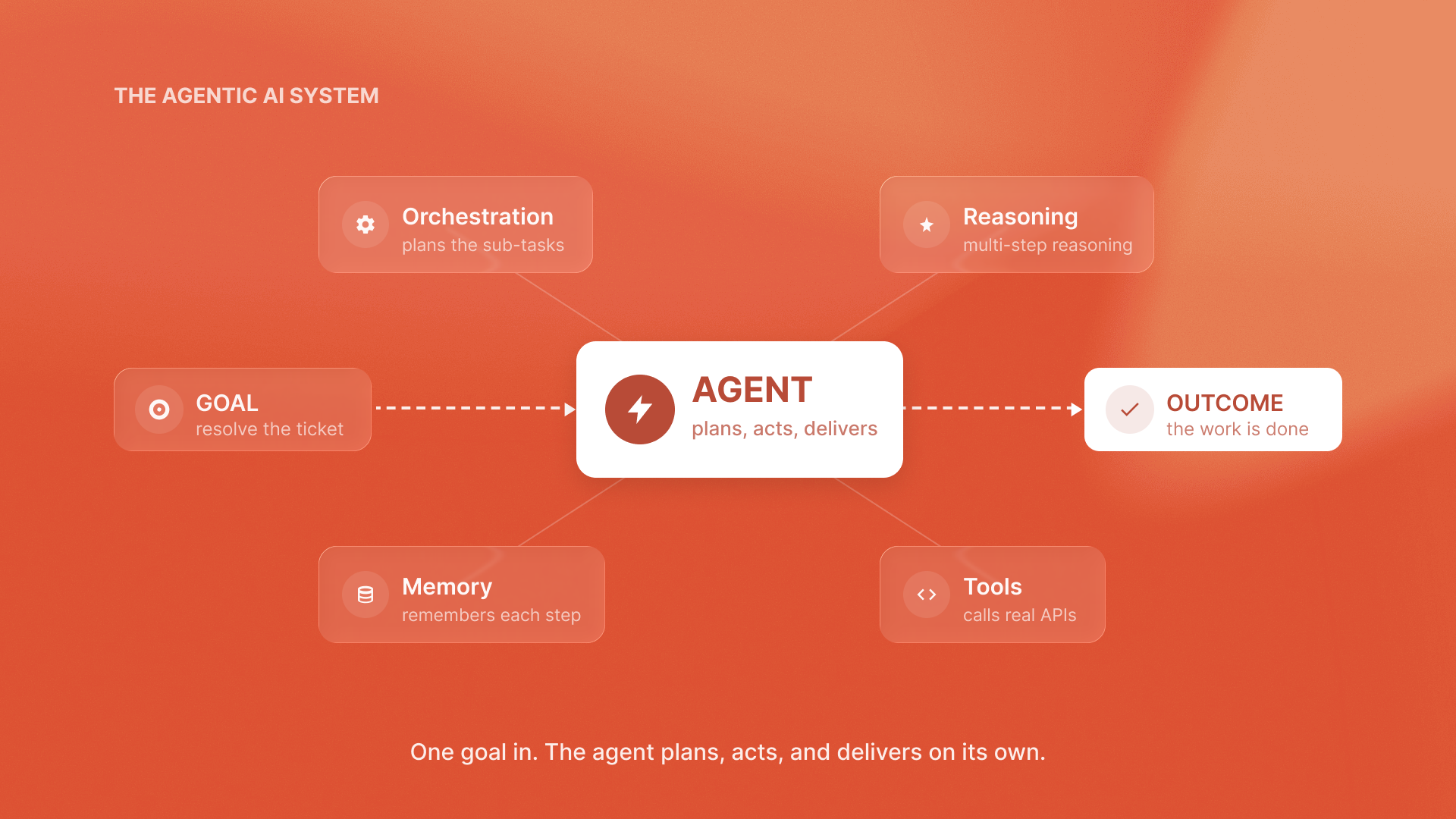
Most companies are building AI assistants that sit on top of existing workflows. At Islands 2026, we build systems that replace them. This isn't a semantic distinction. It's an economic one. An assistant helps a human do a task faster, but an autonomous agent owns the outcome. For DomainEasy, this meant moving beyond a simple chat interface to a system that automates domain sales platform operations.
Why the orchestration layer matters
Scaling to 1M+ listings in record time was only possible because we moved away from monolithic software. As I've explored in our multi-agent content systems analysis 2026, single-agent tools often fail at scale. We used a specialized orchestration layer to manage the ingestion and synchronization of massive datasets. This avoided the massive overhead usually needed for marketplace management.
Lessons from the portfolio
I've seen similar results across our portfolio. When we cut qa latency at QA flow, the focus wasn't on helping testers: it was on autonomous execution. The same logic applies to automated domain management. If you build for assistance, you scale with headcount. If you build for autonomy, you scale with compute.
The economics of autonomous synchronization
When we launched DomainEasy, we focused on scaling digital marketplaces without the linear cost curve. By using established agent architectures, we removed the friction of manual GTM maintenance. This is the same philosophy we use at the Islands venture studio to build revenue-unblocking integrations.
The competitive advantage
Here is the reality: the window for capturing high-revenue traditional industries with this speed is closing. Companies that invest in generative engine optimization 2026 and reliable infrastructure are already locking in structural advantages. If you are still throwing people at data problems, you are building on a foundation that will need an expensive rewrite within 18 months.
The real economics
- Traditional marketplace: 50+ FTEs for 1M listings
- AI layer architecture: <5 FTEs for 1M listings
- Time to market: Weeks instead of months
- Accuracy: 96% using QA flow 2026 autonomous principle

What to do next
- Identify your most labor-intensive data ingestion workflow
- Replace the human-in-the-loop with a goal-driven agent
- Scale the infrastructure using a shared technical stack
Choose your architecture accordingly. The choice isn't between AI or no AI. It is a choice between manual maintenance and autonomous scaling. Reach out to Islands to see how we build the machine that sells.
Ready to move beyond manual maintenance and start scaling autonomously? Explore how Islands builds the future of digital marketplaces.
Success Stories
Read more

.png)
.svg)
