.svg)
Automating the agency-client loop: AI-Driven reporting strategies

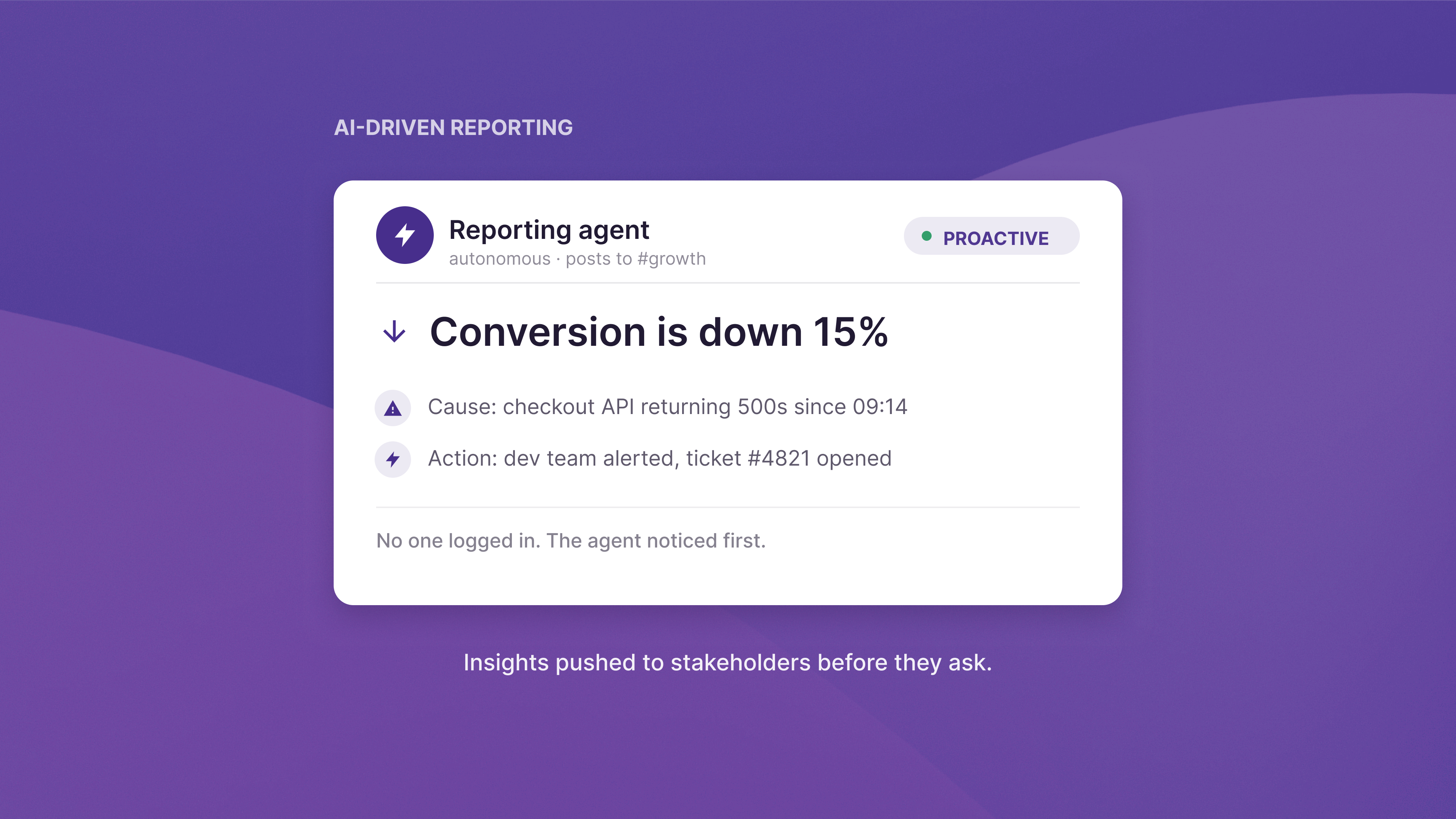
I spoke with a Series B founder last week. He realized his senior engineers spent 20% of each month cleaning data for client reports. It is a classic architectural trap. You have the data, but you do not have the autonomy. For high-growth startups and agencies, manual reporting is a silent killer of margins. Implementing AI-driven client reporting is the best way to save engineering time. It removes repetitive work. That work does not add long-term value.
The economics of manual reporting loops
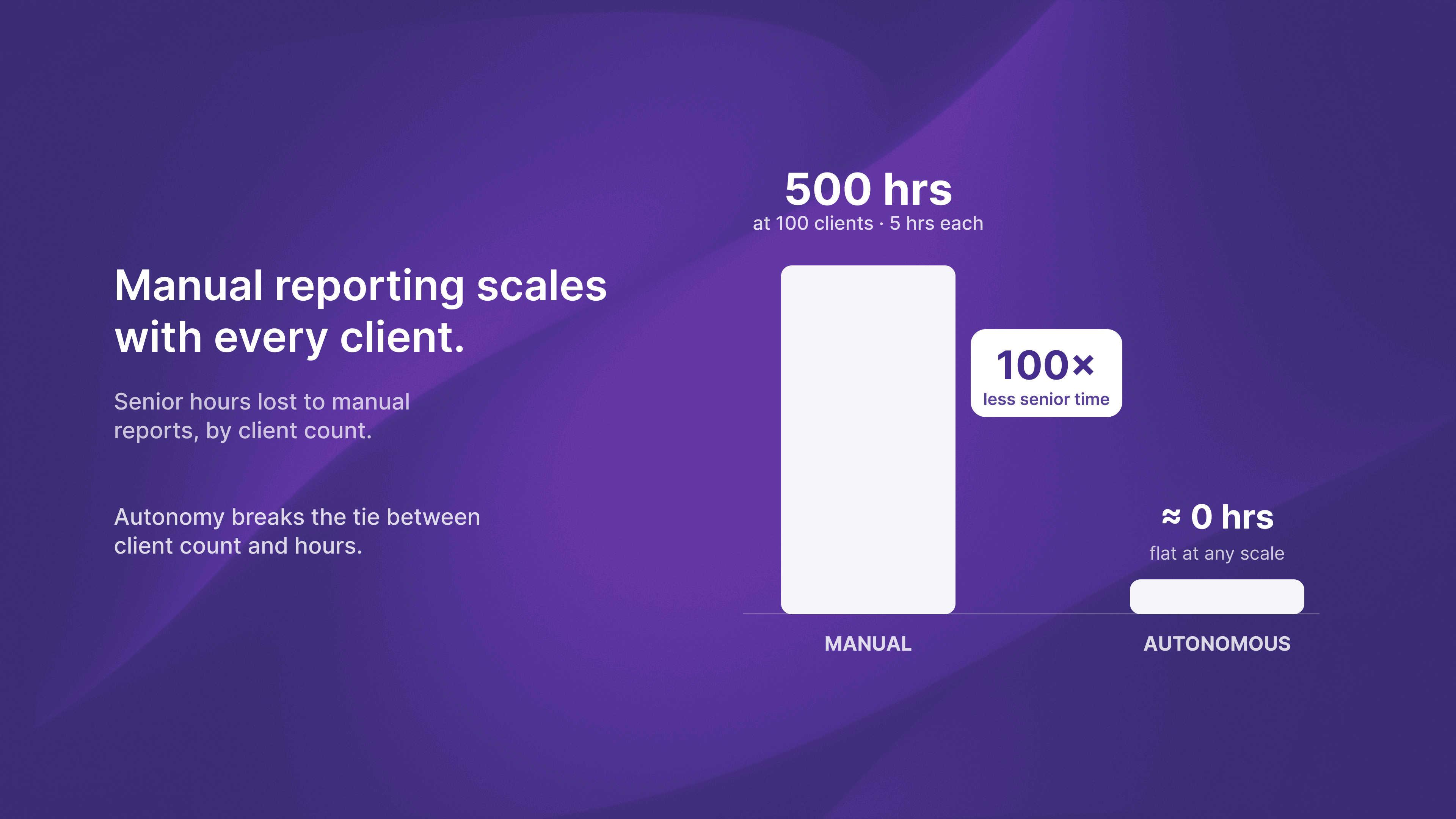
Manual data synthesis creates significant margin erosion. When senior talent spends hours every month pulling CSVs and formatting slides, you are not just losing time. You are incurring a massive opportunity cost. High-growth tech sectors are increasingly using autonomous agentic systems to optimize resource allocation. However, many firms struggle because they lack proper agency reporting automation to handle these workflows. Many teams still treat reporting as a manual overhead task rather than an engineering problem.
Stafford Beer, who founded management cybernetics, had a dictum for judging any system by its output rather than its brief:
"The purpose of a system is what it does."
Stafford Beer — "What is cybernetics?", University of Valladolid, October 2001
Static dashboards require human interpretation to be useful. As you scale, the number of dashboards grows, but the human capacity to monitor them stays flat. This leads to missed anomalies and delayed insights. A dashboard tells you what happened, but an autonomous system tells you what to do about it. When building internal tools, engineering leaders should focus on North Star metrics, not platform-reported noise. They should build autonomous reporting systems to keep a competitive advantage.
Scaling with AI-driven client reporting
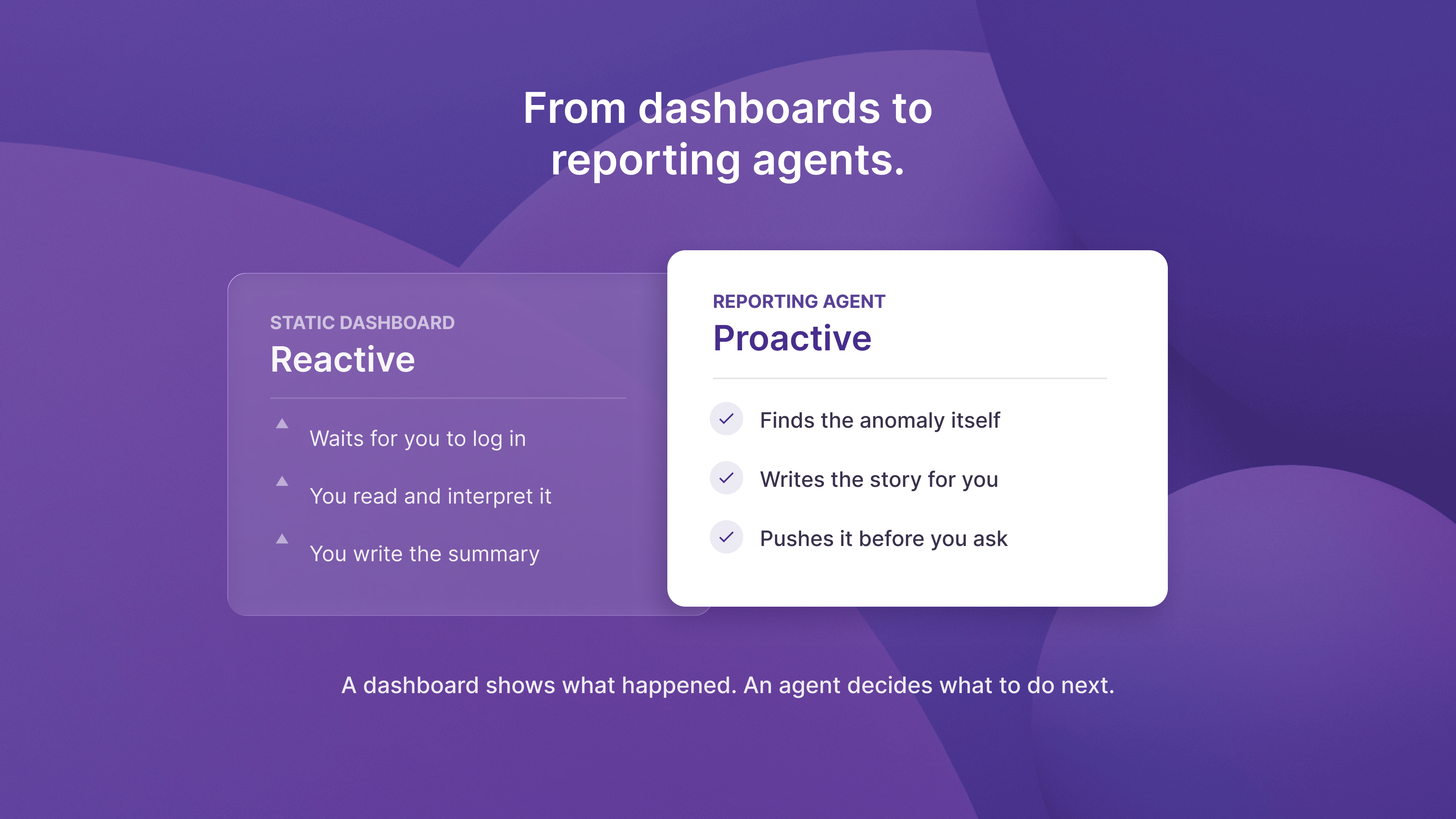
AI-driven client reporting is an architectural shift. It is a reporting workflow replacement where autonomous agents take over the entire process. These agents do not just visualize data. They analyze trends, flag anomalies, and generate proactive insights without human prompts. This moves the organization from a reactive posture to a proactive partner model. Analysis of AI agency infrastructure shows most firms focus on prompts. They overlook the integrated systems needed for this level of automation.
The roadmap
- Goal-oriented analysis: Specialized AI reporting agents pursue specific objectives like identifying churn risks.
- Autonomous synthesis: Data is cleaned and interpreted without manual intervention.
- Proactive delivery: Insights are pushed to stakeholders before they ask for them.
Building the autonomous reporting infrastructure
- Establish the orchestration layer to connect disparate data sources via API.
- Deploy real-time anomaly detection to monitor for statistical outliers.
- Configure proactive stakeholder alerts that trigger based on predefined business logic.
Lessons from the field
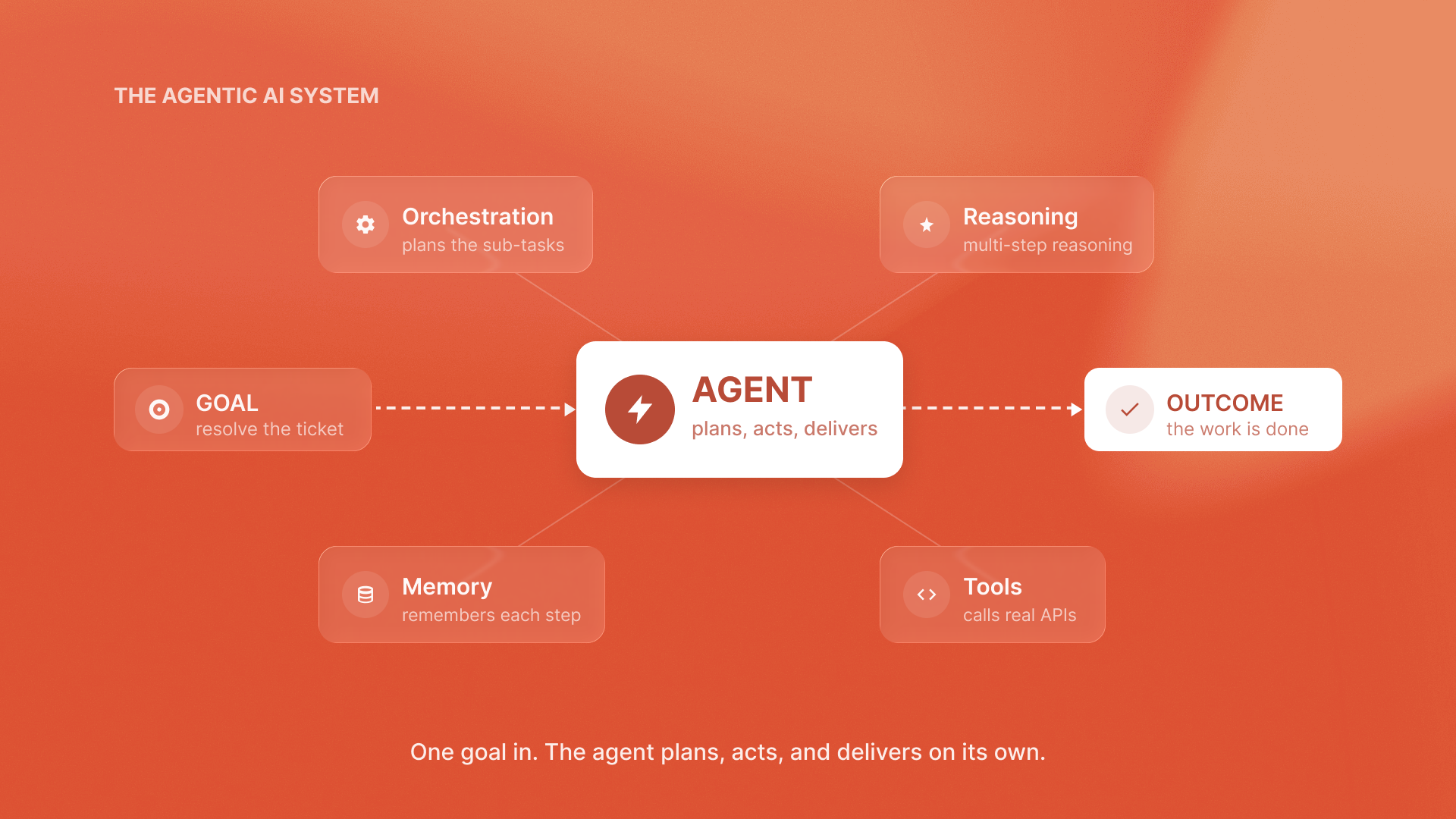
We have deployed these systems across multiple environments to move teams from demo to production. For instance, a QA flow intent-based testing agent finds regressions by understanding intent, not just following scripts. When applied to reporting, this means the agent understands the business goal, not just the data column.
In our experience with unified distribution systems like ReachSocial, the shift to autonomy let teams focus on strategy. The agent handled execution and reporting. Transitioning to execution infrastructure allows companies to eliminate middle-management bottlenecks. Building these systems requires a commitment to the Build. Run. Maintain. philosophy. It is about creating infrastructure that protects your margins for years, not just months.
Auditing your reporting stack
- Calculate the total monthly hours spent by senior staff on manual reporting.
- Identify the top three data sources that require the most manual cleaning.
- Pilot an autonomous agent for one specific reporting segment.
- Measure the reduction in manual synthesis time over a 30-day period.
The bottom line
Founders must stop building dashboards and start building agents. The shift from tools to autonomous workflows is the only way to scale without linear headcount growth. Build. Run. Maintain. Reach out to Islands today to start building your reporting infrastructure.
Success Stories
Read more

.png)
.svg)
