.svg)
Agentic AI systems vs. Traditional chatbots: why autonomy changes everything

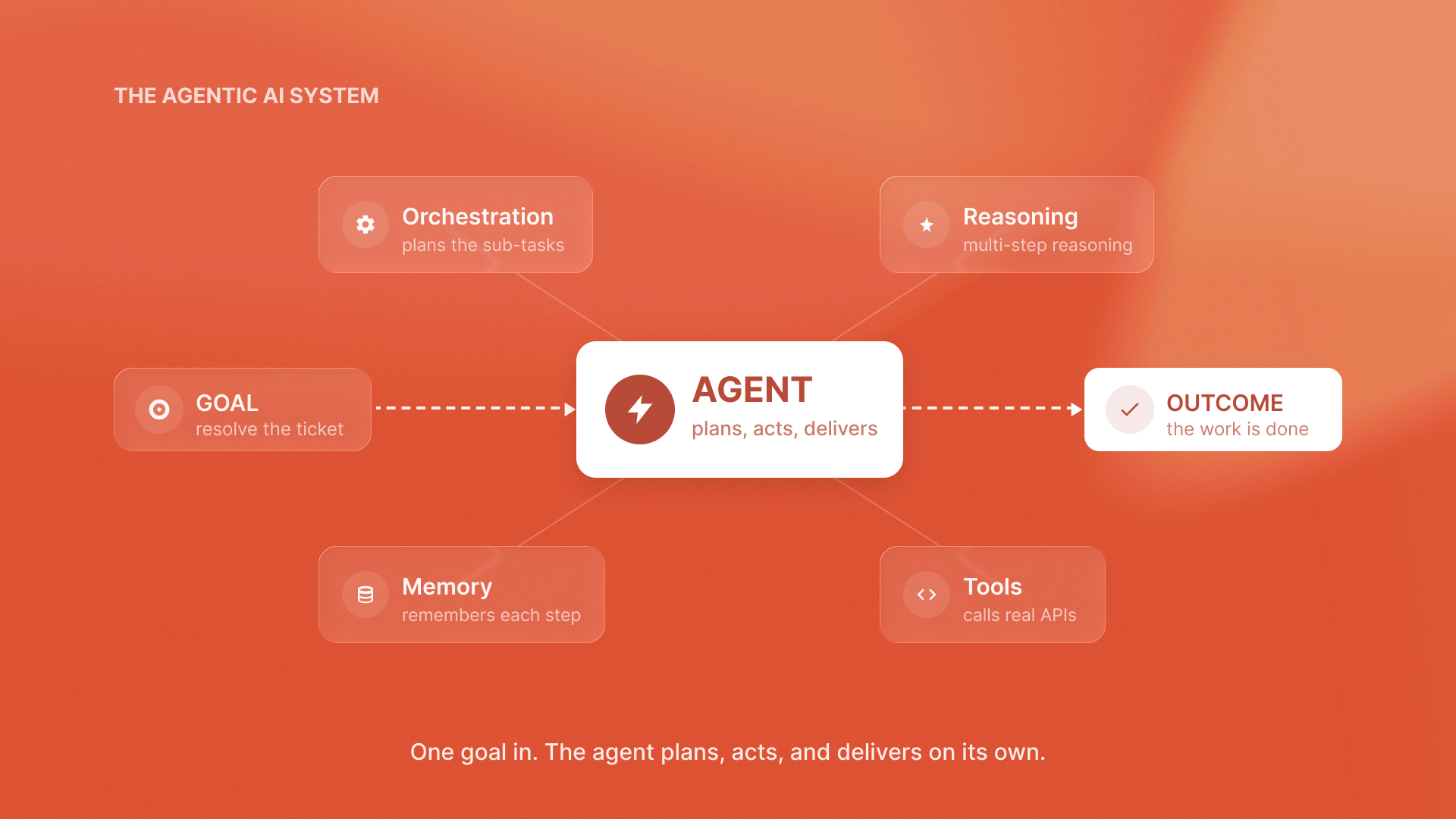
I spoke with a Series B founder last week. They realized their AI assistant was basically a fancy FAQ page. It also came with a high API bill. They had the wrapper, but lacked the agent. This architectural trap occurs when startups build reactive bots instead of autonomous systems designed to execute tasks. While chatbots respond, agentic AI systems execute.
The roadmap to autonomy
- 84% efficiency gap: Moving from reactive response to autonomous execution.
- Workflow replacement: Shifting from productivity tools to infrastructure that does the work.
- Unit economic lift: Reducing the cost of human-in-the-loop oversight through orchestration.
- R&D eligibility: Qualifying for tax credits through complex architectural engineering.
Chatbot vs agentic AI comparison
The architectural trap: Why chatbots are not agents
Traditional chatbots follow rigid decision trees. They wait for a prompt and provide a response based on pre-defined paths. If the user deviates, the bot breaks. Agents manage state and iterate on sub-tasks to reach a defined objective without constant prompting. They pursue goals rather than answering questions. This distinction is critical for technical leaders. Choosing assistant architecture when workflow replacement is required significantly caps potential ROI.
Decision trees are limited by the human who maps them. In a production environment, mapping every possible outcome is impossible. Autonomous agent architecture moves beyond these limits by using multi-step reasoning to navigate complex workflows independently. It is the difference between an assistant that helps you work and an agent that does the work for you. Many engineering teams currently build assistants when their business requires full workflow replacement.
Defining the agentic AI systems architecture
True autonomy requires a technical stack that goes beyond a simple LLM call. The system must plan, act, and learn. Implementing an orchestration layer is essential to handle the logic between the model and external tools. Currently, only 16% of enterprise AI agents are truly autonomous. The majority lack the necessary layers for independent operation. This perception-only architecture cannot be easily retrofitted for autonomy later.
Building for autonomy involves three core pillars:
- Goal-oriented orchestration: The system breaks down a high-level goal into actionable sub-tasks.
- State management and memory: Effective state management ensures the agent maintains context across long-running processes.
- Tool integration: The ability to execute independent API calls to interact with other software.
From demo to production
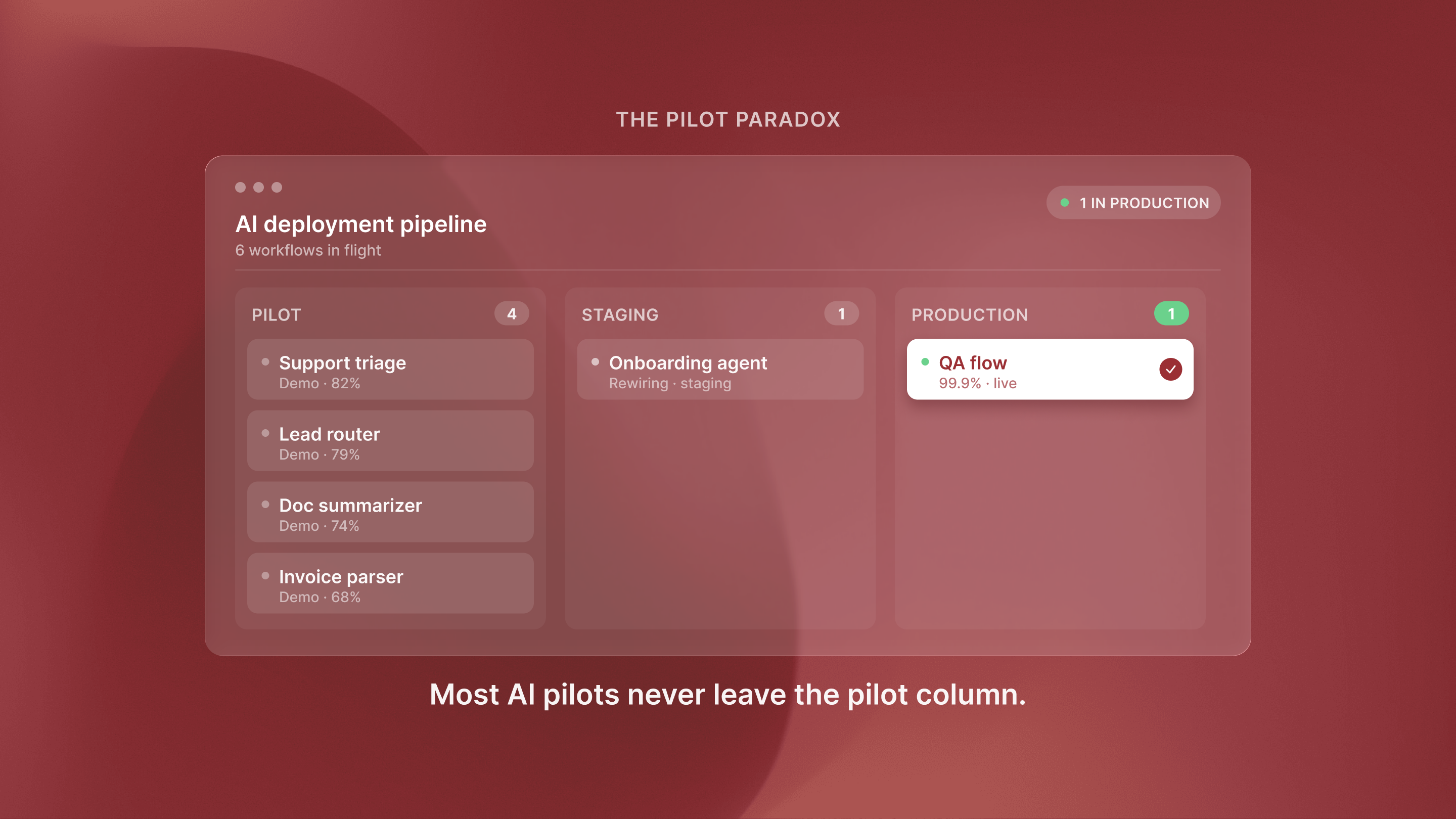
Focusing on AI workflow replacement rather than productivity gains allows for production-grade systems that handle the messy reality of business operations. For example, autonomous testing through QA flow does not just run scripts. It understands design intent and generates tests autonomously to eliminate manual case definition.
In the realm of integrated social workflows, the real value comes from agents that manage the entire loop from content creation to engagement. This requires a commitment to infrastructure that ensures reliability at scale, a core focus of our work at Islands. Build. Run. Maintain.
The economics of autonomy: R&D and ROI
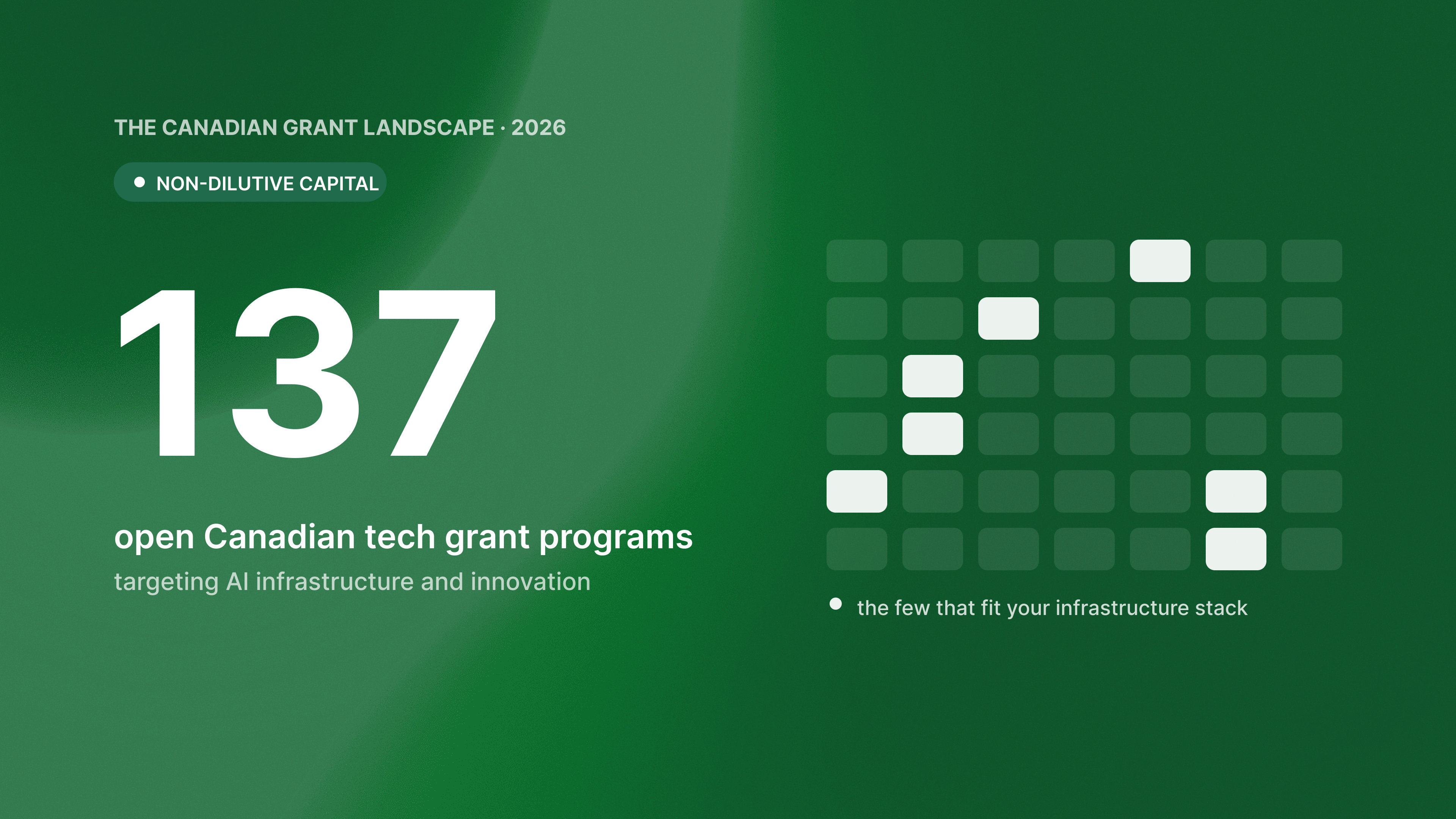
Moving toward autonomy requires a clear financial and technical strategy. Companies should audit current workflows to identify high-volume, repetitive tasks that require multi-step reasoning. These complex architectural problems often qualify for specialized tax incentives. According to Cloudforces, custom AI software and agentic projects can qualify for R&D tax credits. This applies when they solve difficult engineering hurdles.
Calculating the unit economics of replacing a manual workflow with an autonomous agent provides a baseline for investment. The goal is workflow replacement. If you are a technical leader, you may be ready to go beyond the wrapper. You can build a production-grade autonomous system. Book an architectural audit with our team today.
The shift from chatbots to agentic AI systems is the difference between a tool and infrastructure. Chatbots respond to users, but agents execute on business goals. To capture real ROI, you must solve the orchestration and state management hurdles that define true autonomy.
Next steps for technical leaders
Ready to audit your AI architecture? Book a call with Islands to start building production-grade agents.
Success Stories
Read more

.png)
.svg)
