.svg)
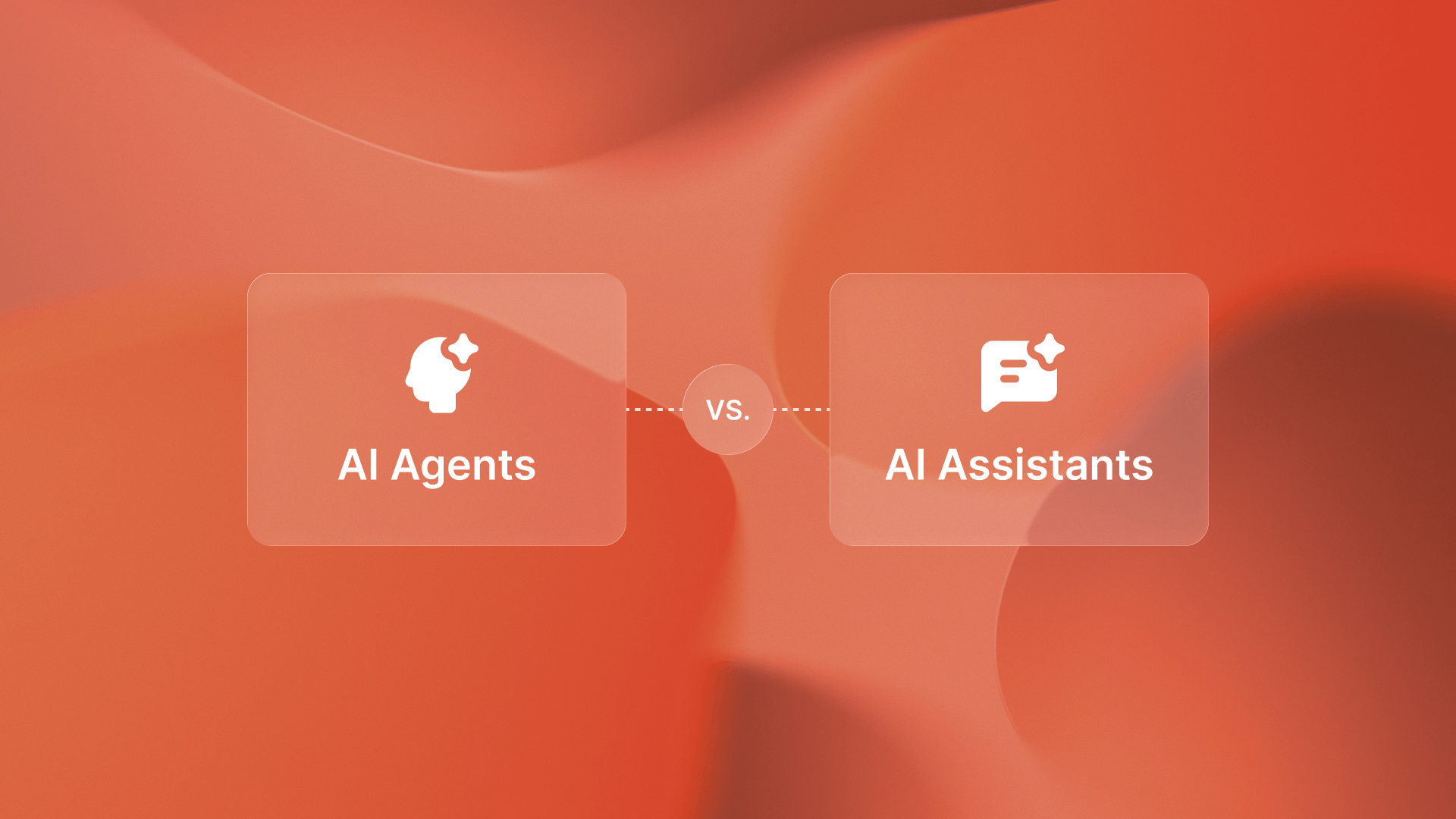
Agentic AI vs. AI assistants: why only autonomous systems deliver 420% ROI

QA flow detects 847 bugs autonomously from Figma designs. No human writes test cases, nohuman reviews outputs until the agent flags issues. That's not an AI assistant. That's anautonomous agent.
The market mixes up these technologies. But the operational difference decides which companies pull ahead. It also shows which ones fall behind, thinking they compete. 79% of organizationsclaim AI agent adoption (PwC 2025 AI Agent Survey), yet most implementations are assistantsmislabeled as agents. This creates false confidence while competitors deploy true autonomous systems.
The ROI gap isn't marginal. Average ROI stands at 420% within 18 months for agentic AIimplementations (Axis Intelligence 2025-2026), compared to incremental 15-30% productivitygains from assistants. Companies making the wrong architectural bet today face expensive rebuildsin 12-18 months when the gap becomes undeniable.
Here's the thesis: autonomous systems replace workflows, assistants enhance them, and only theformer delivers transformative ROI.
The critical distinction: assistants respond, agents act
AI assistants enhance human workflows but require constant oversight. GitHub Copilot suggestscode, ChatGPT drafts emails, Salesforce Einstein surfaces insights. The pattern is consistent:human initiates, AI responds, human completes.
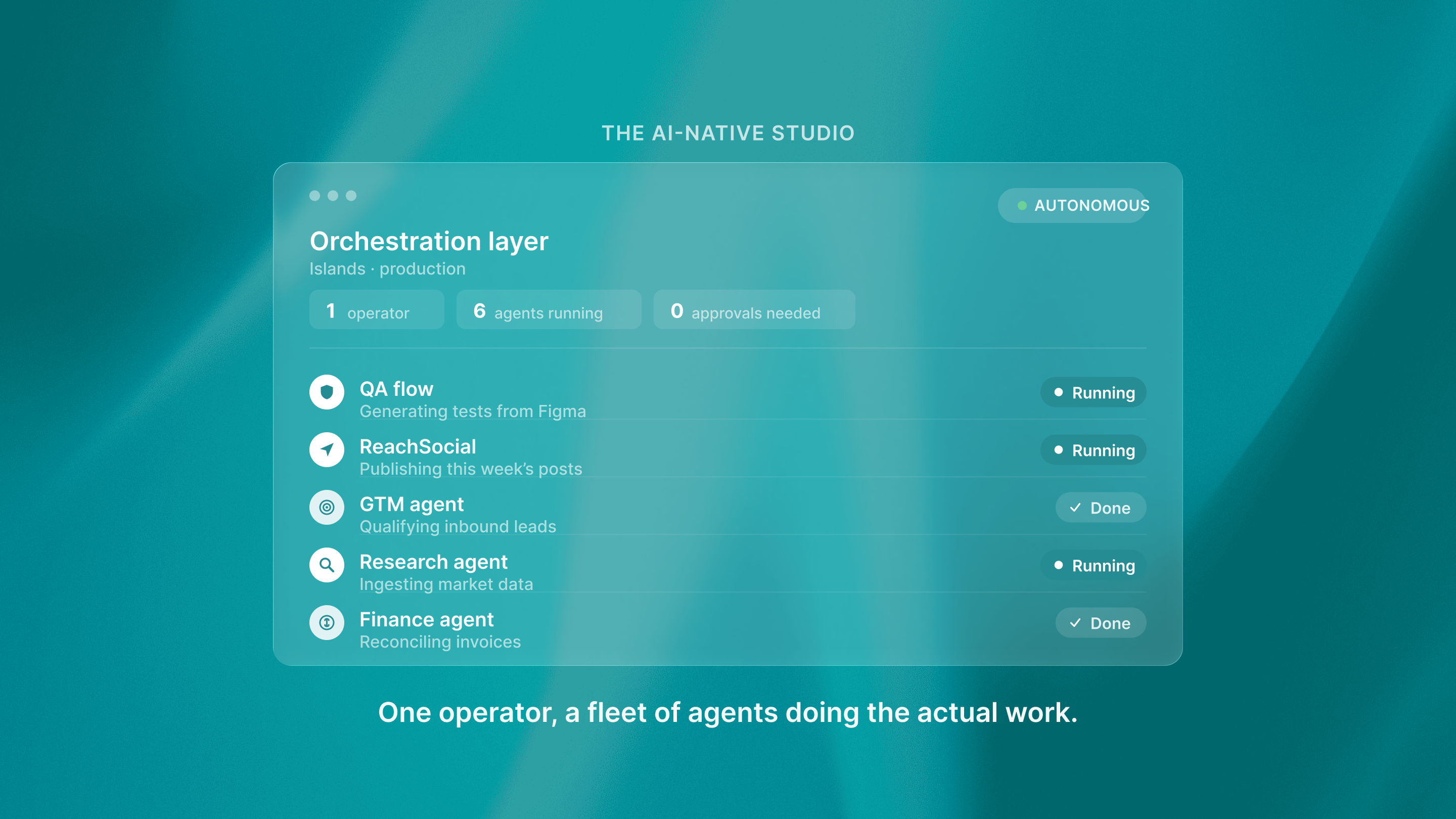
Agentic AI operates differently. QA flow runs autonomous testing from design specs, Ingage orchestrates LinkedIn campaigns across weeks, Shoreline monitors compliance changes continuously. The pattern shifts: trigger occurs, agent executes multi-step workflow, human reviews final output.
Think of it as calculator vs CFO. Assistants make you faster at your job. Agents do the job. The architectural requirements are incompatible, which is why the decision matters now.
The ROI gap: why numbers matter
The 420% ROI for agentic AI within 18 months reflects eliminated FTE costs, 24/7 operations, andzero marginal cost scaling. This isn't productivity improvement. It's workflow replacement.
Assistants deliver meaningful but incremental gains: 15-30% productivity improvements peremployee. If you have 50 engineers, assistants save 7.5-15 FTE equivalent in efficiency. Agentseliminate entire workflows representing 20-40 FTE.
66% of companies adopting AI agents report measurable value through increased productivity(PwC 2025 AI Agent Survey). But here's the problem: productivity doesn't equal transformation. Acustomer support assistant helps agents respond 20% faster. A customer support agent handlestier-1 tickets autonomously. The ceiling is fundamentally different.
The 79% adoption Illusion: what companies are actually building
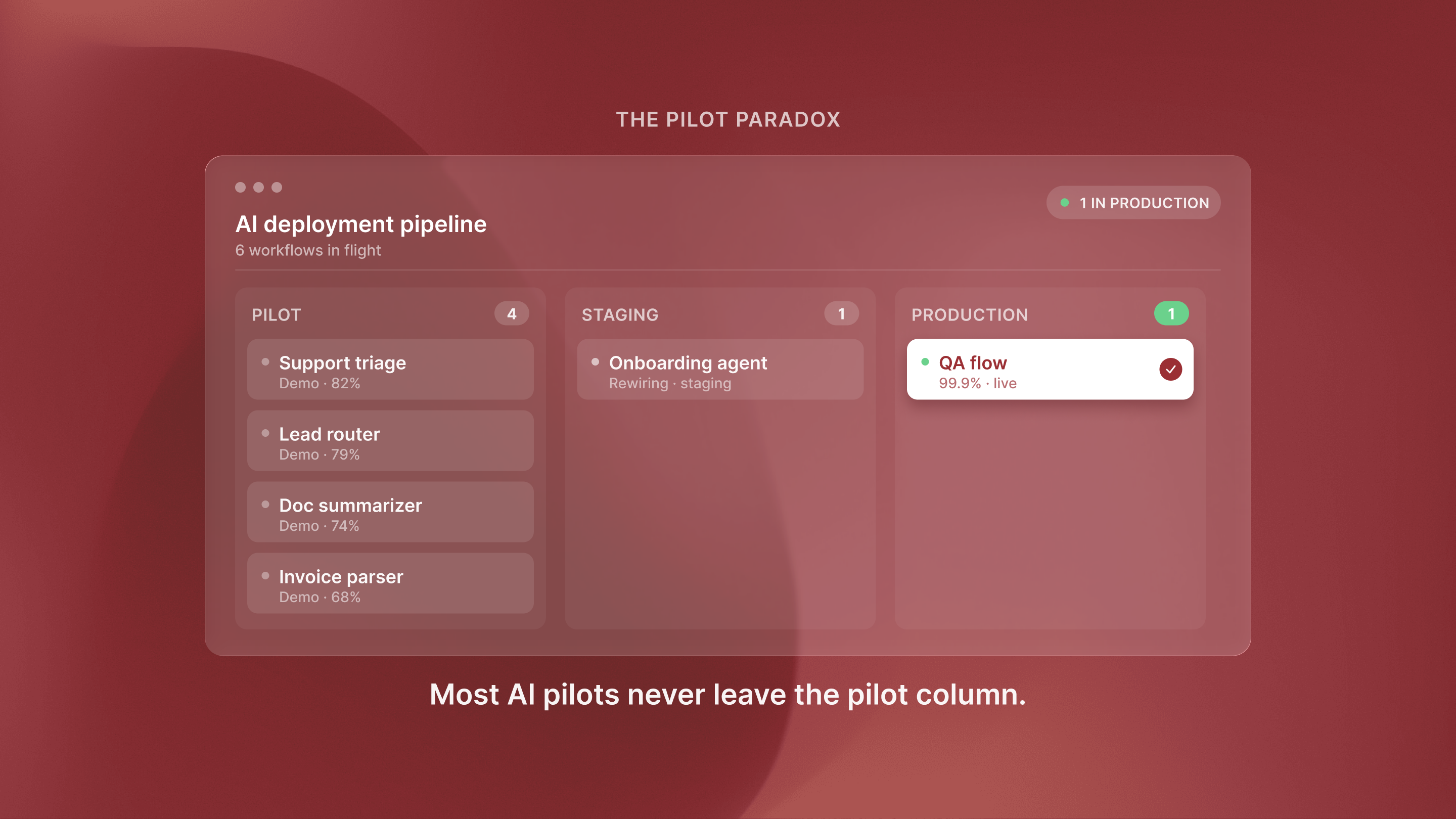
The PwC data shows 79% claim agent adoption, but market observation reveals wide spread mislabeling. Most implementations are prompt-enhanced workflows, not autonomous systems. Boards see the adoption figure and assume parity: "We have AI agents too."
If you deployed an assistant while competitors deployed agents, you're falling behind whilethinking you're competing. The measurement crisis creates dangerous complacency.
Diagnostic questions reveal the truth. Does your "agent" require human approval at each step? Does it handle only single-turn interactions? Does it need humans to connect context betweenactions? If yes to any, it's an assistant.
The Architectural Trap: Why You Can't Upgrade Assistants to Agents
Assistants use prompt-response patterns: stateless, single-turn interactions optimized for suggestion quality. Agents require state management, decision trees, multi-step orchestration, failure handling, and rollback capabilities. The foundations are incompatible.
If you architect for assistants today, you can't bolt on autonomous capabilities later. You rebuild companies that build assistant roadmaps now will face this pivot in 12 to 18 months. The ROI gap will be hard to ignore. The timing pressure is real.
What to build first: starting with autonomous AI agents
Identify high-value autonomous workflows: repetitive multi-step processes with clear success criteria, expensive human time, and tolerance for 95% accuracy. QA testing, compliance monitoring, lead qualification, and report generation qualify.
Contrast this with assistant starting points: creative work, judgment calls, high-stakes decisions requiring human intuition. These benefit from enhancement, not replacement. Content Brief Budget allocation matters. If you have $500K for AI, spend 80% on agent development for high ROI. Use 20% on assistants to boost productivity. Reverse allocation wastes the opportunity.
The Decision Point
The market's conflation of assistants and agents creates a hidden competitive gap. Companies deploying assistants see that 66% report productivity value and assume they're competitive. Butthey're measuring incremental gains while competitors achieve 420% ROI through autonomous systems.
Build for enhancement or build for transformation. The architectural choices are incompatible, sothe decision must be made now. The gap is forming today, and 18 months from now the rebuild costs will be clear.
At Islands, we shipped agentic systems to production. Examples include QA flow, ReachSocial, and Shoreline. These were for Series B+ companies facing this exact decision. The companies choosing agents are pulling ahead. The question is which side of the gap you'll be on.
Success Stories
Read more

.png)
.svg)
