.svg)
12 questions to ask before signing with a venture studio in 2026


I've been talking to a lot of founders lately who are staring at venture studio term sheets that look identical on paper. But in 2026, the equity split is the least important line item you'll sign. The market has shifted from needing capital to needing infrastructure. If your partner can't provide a technical stack and fractional CTO leadership, they are just a slide-deck consultancy. I saw this clearly when analyzing how companies are now renting AI to compress deployment timelines from 13 months down to three.
The venture studio checklist 2026: evaluating the technical stack
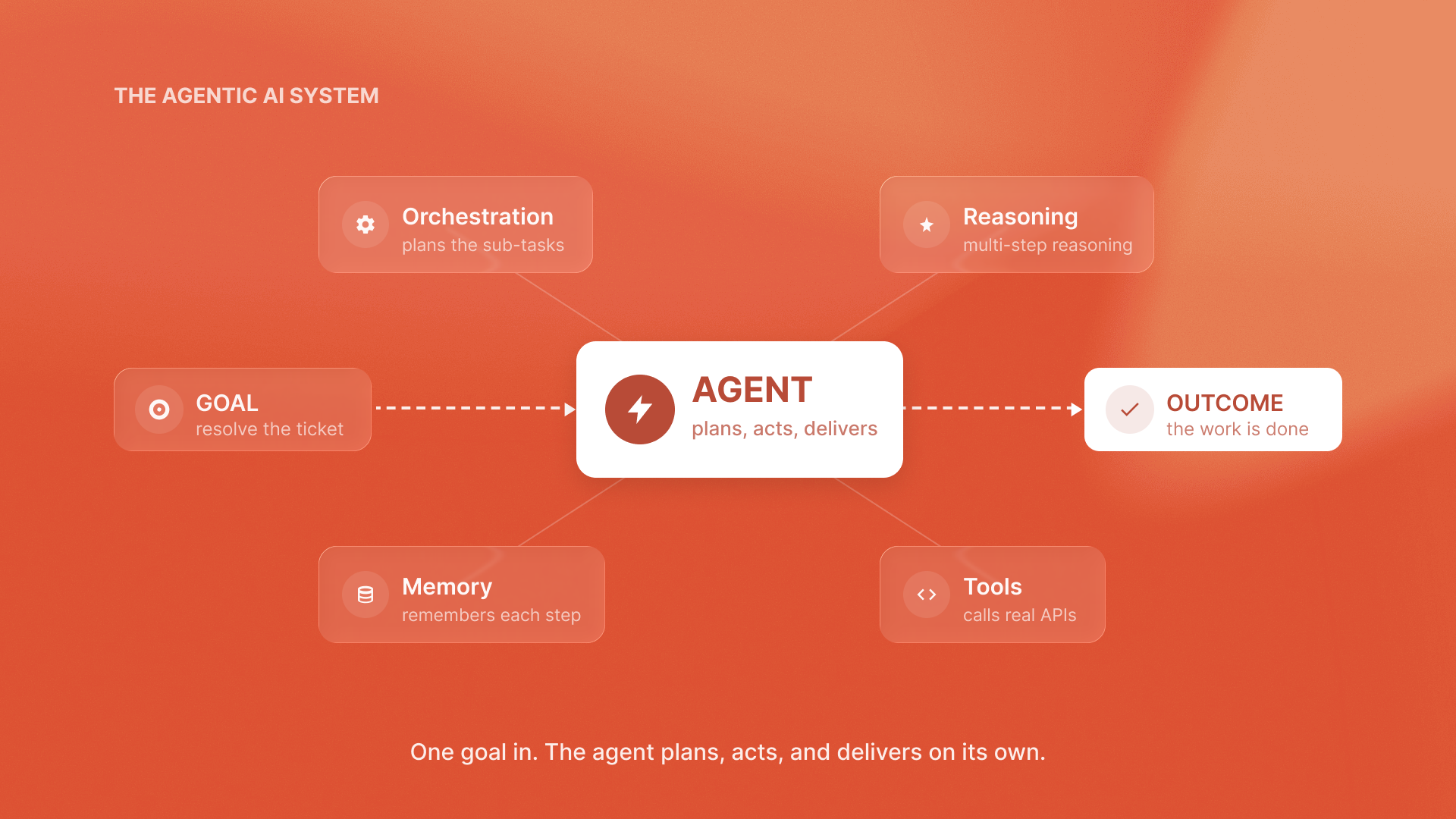
Founders are increasingly seeking studios that offer shared technical infrastructure to mitigate the risk of unproven AI initiatives (Gartner). At Islands, we provide a pre-built orchestration layer that allows startups to deploy in weeks rather than months. This prevents the architectural trap where simple assistants are mistaken for autonomous agents.
When you are choosing a venture studio, ask if they have a proprietary AI venture studio model. Also ask if they are just hiring generalist freelancers. Most startups fail at the 0-to-1 phase because they lack technical direction. A fractional CTO for startups helps bridge the gap between the boardroom and the engineering floor. This leadership helps you build reusable workflows. It also helps you avoid the hidden overhead. This overhead can consume 30% to 50% of your margins with unmanaged contractors.

Technical infrastructure for founders and the maintenance moat
Does the studio have a plan for production readiness? Our experience with portfolio companies like QA flow shows that production-ready agents require documented economics and maintenance plans. If they aren't talking about state management or failure recovery, they aren't builders. This is why the hiring sequence matters. You need to know if the studio will help you hire the right team. Or, if they expect you to run an engineering team you are not ready to lead yet.
We've seen that autonomous testing breaks the time-scaling constraint that kills most early-stage products. If your studio does not provide this technical infrastructure for founders, you will spend your first year fixing issues. You will not focus on finding PMF. Even in non-technical sectors, this applies. I've seen beauty brands launch in days, not months. They use infrastructure-first platforms to avoid traditional manufacturing delays.
A three-part evaluation framework
- Technical Infrastructure: Do they have a proprietary AI layer that separates prototypes from production?
- Fractional Expertise: Can they offer a fractional CMO or CTO to guide early growth? This avoids the cost of a full-time hire
- Production History: Have they shipped high-volume systems like ReachSocial or QA flow?
Why speed is the new currency
Capital is a commodity. Speed is the only moat. Choosing a studio without a technical stack is a one-way door that leads to architectural debt. You cannot afford to spend six months hiring an engineering team to build what we have already perfected.
Building for the future
The window for wait and see on AI architecture is closing. You need a partner that builds systems, not just strategies. Ensure your venture studio provides the bedrock for technical growth before you sign. Choose accordingly.
Ready to build on a foundation designed for scale? Explore how Islands provides the infrastructure you need to launch faster.
Success Stories
Read more

.svg)
