.svg)
Why white-label AI content is the secret weapon for modern agencies

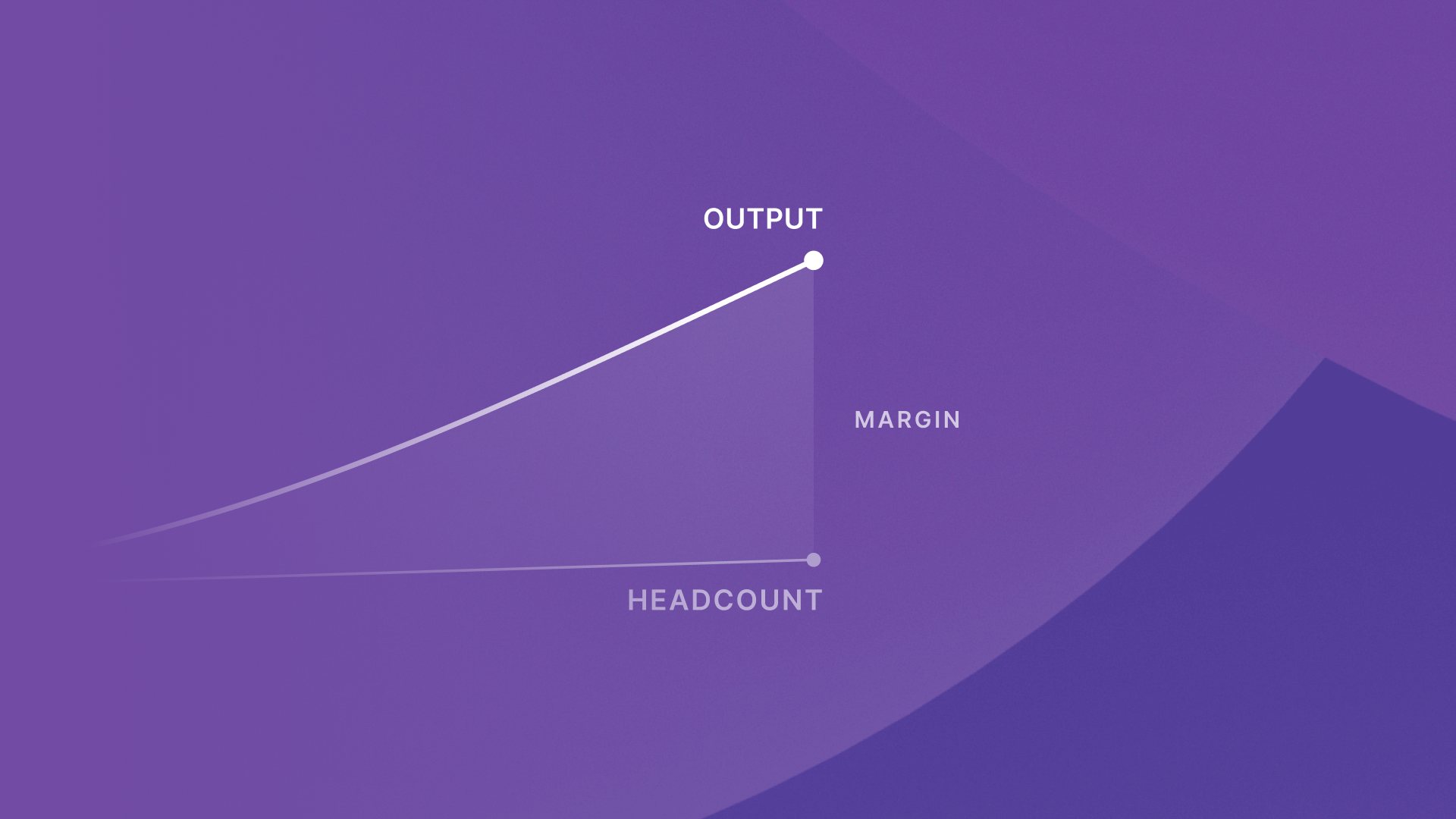
I was talking to an agency founder last week who was struggling with a failing content operation. He had the volume, but the unit economics were unsustainable. He was trying to scale by increasing headcount, a move that quickly drains capital. The reality is that modern SaaS SEO requires specialized content pipelines to drive measurable lead generation. Adopting a comprehensive AI content creation platform is the only way to sustain growth without sacrificing quality. The gap is a lack of production-grade infrastructure rather than a lack of writers.
The architectural gap in agency content
Most agencies try to build in-house AI tools that are little more than prompts. These assistants fail because they cannot produce human-grade output without heavy manual oversight. This creates a management tax that destroys your margins. You are essentially paying people to fix what the AI broke.
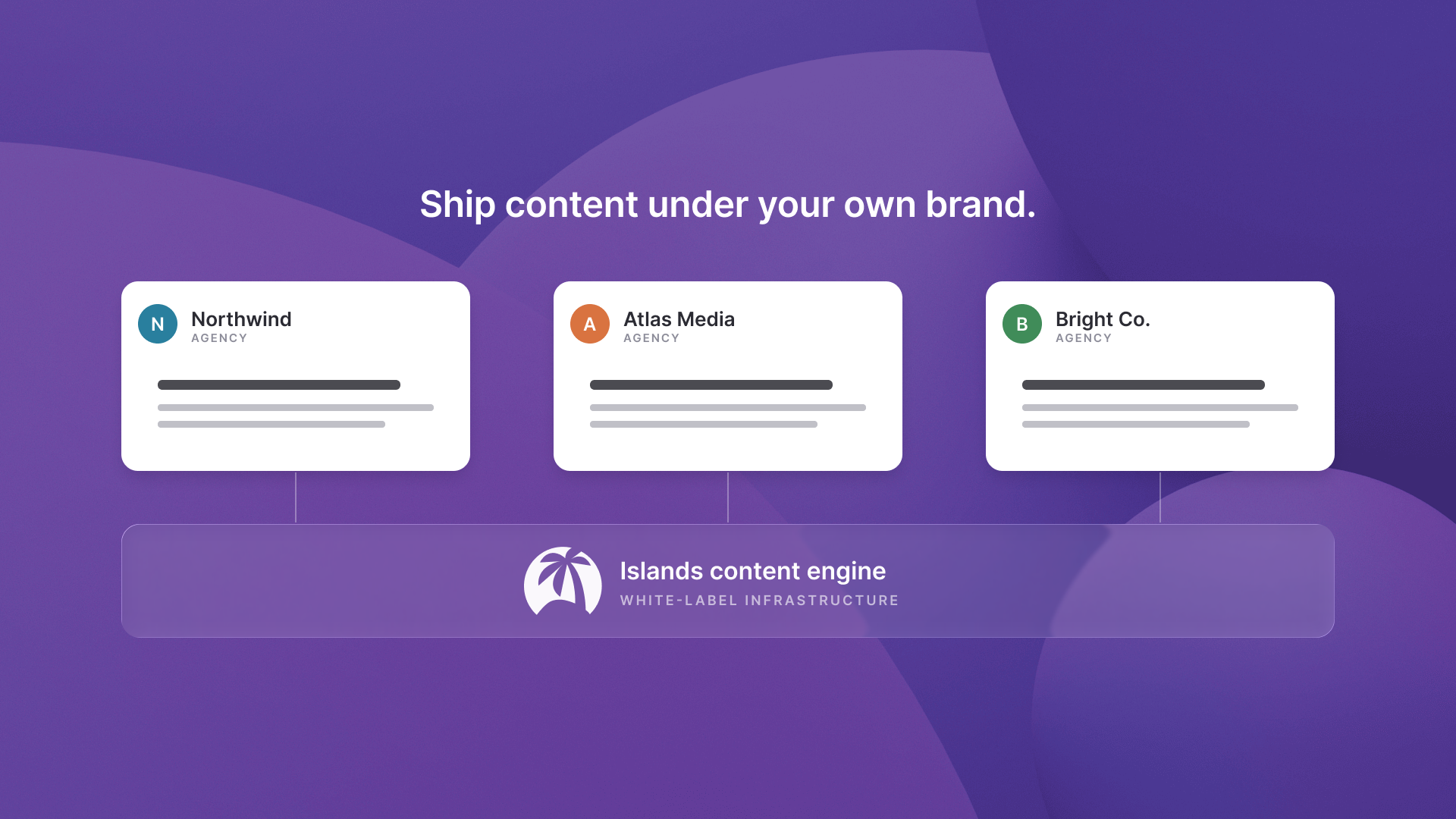
When your team spends more time editing AI fluff than strategy, your unit economics are broken. True scaling requires integrated AI workflows that eliminate operational overhead. White-label infrastructure allows you to replace labor-intensive workflows with high-margin automated processes. Many firms now use white label SEO services to handle technical tasks and keep their brand identity.
"Make it work, make it right, make it fast." : Kent Beck, creator of Extreme Programming
Optimizing your AI powered content creation platform
To move beyond basic drafts, agencies must modernize their production stack. This means moving from keyword volume to intent-based topical authority. It also means using generative engine optimization to gain AI search visibility. Replacing manual research with autonomous data ingestion and advanced AI content tools keeps the output based on facts.
Focusing on production-ready work, not simple drafts, lets senior strategists spend time on high-level client goals. This transition ensures your agency remains competitive as search behavior evolves.
Key challenges in scaling
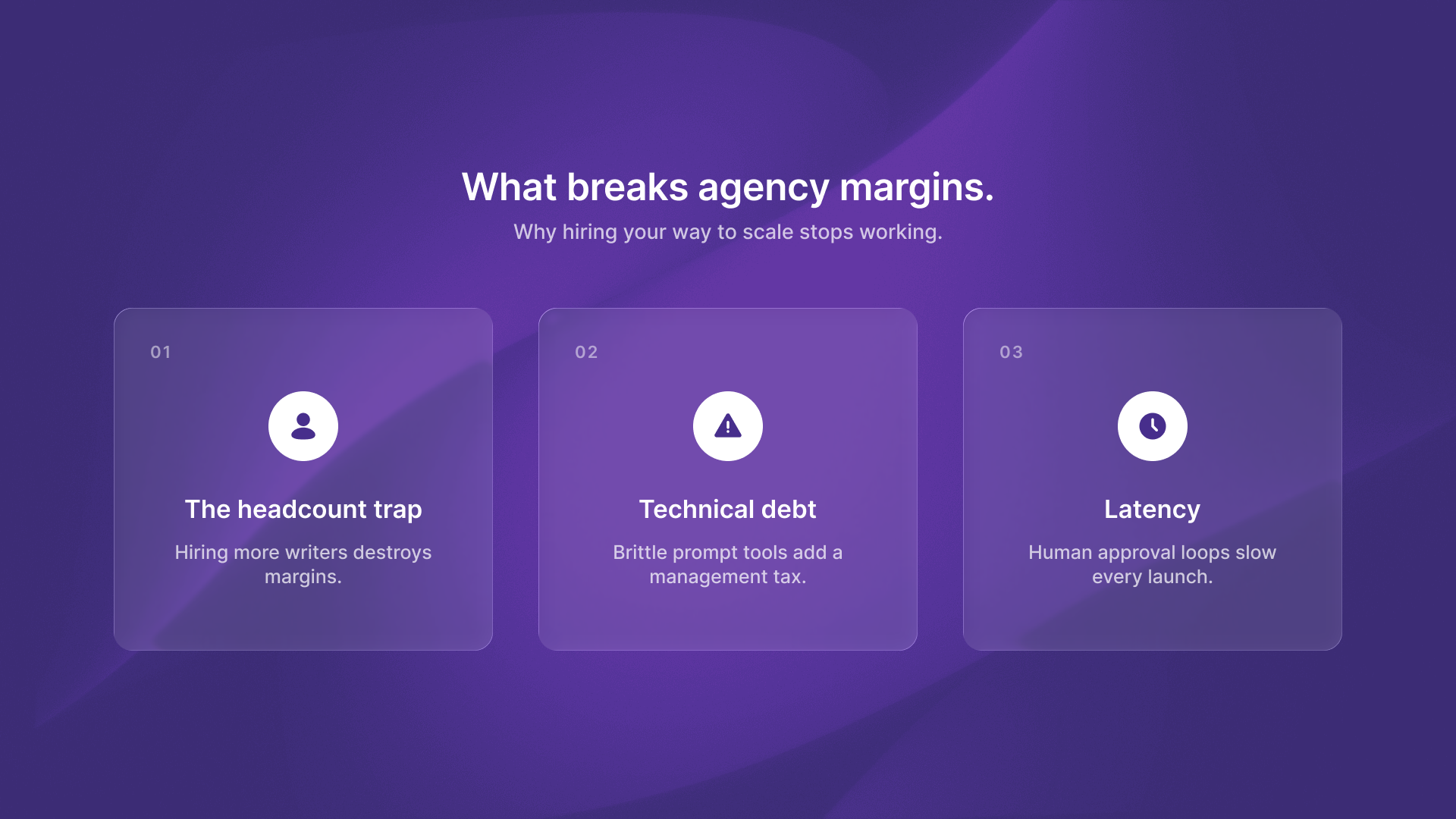
- Headcount trap: Hiring more writers to solve volume issues destroys margins.
- Technical debt: Using brittle prompt-only tools creates a management tax.
- Latency: Human-led approval loops slow down high-velocity growth.
Strategies for growth
- Intent mapping: Aligning content with specific user search stages.
- Data grounding: Connecting AI to real-time research sources.
- Quality control: Implementing automated checks for brand voice.
How to humanize AI content at scale
Bypassing the modern AI content detector requires expert-level data-driven insights that only a technical architect would know. Understanding how to humanize AI content involves more than just editing;it requires domain-specialized agent training.
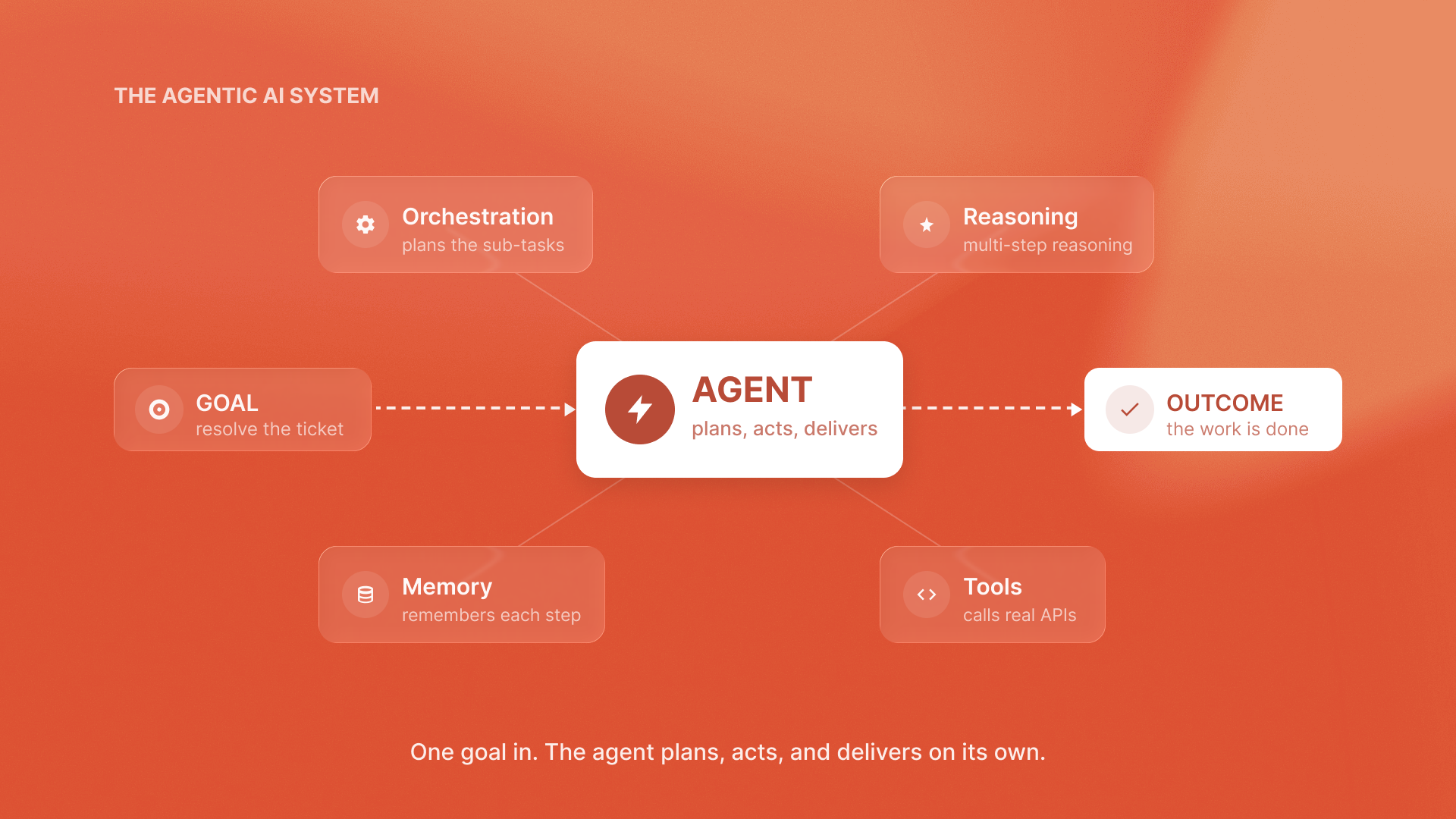
This is where domain-specialized agent training becomes critical. You can use agents to audit and refine the output. This ensures the final product feels like it was written by a human expert. By integrating these specialized agents into your workflow, you maintain the authority required for high-stakes B2B industries.
The economics of white-label infrastructure
Evaluating your current infrastructure requires a clear look at your internal costs. Start by calculating your current cost-per-article including all human management hours. Compare this to the subscription cost of an AI content orchestration layer.
You can then measure the margin expansion as you decouple headcount from output volume. Transitioning to a white-label system allows you to scale your agency's revenue without the traditional hiring risks.
Auditing your pipeline
- Identify the most labor-intensive step in your current content workflow.
- Test a white-label AI content creation service for that specific bottleneck.
- Monitor the performance of humanized AI content in search rankings.
The bottom line
The market is moving faster than a human-only team can follow. To maximize your output in 2026, you need an agency that builds the future rather than clinging to the past. The winners in the coming years will be the ones with the best agents.
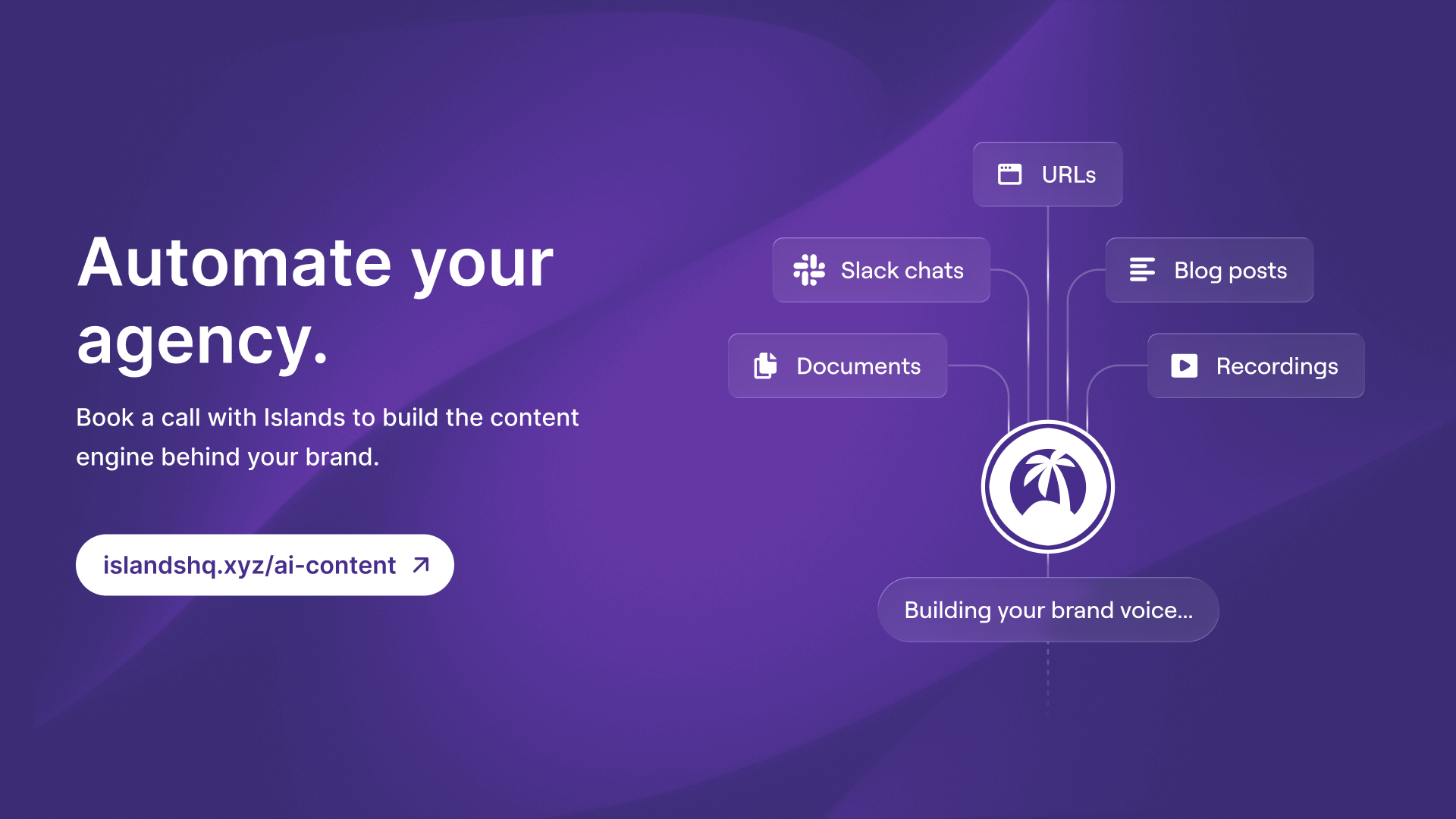
Ready to scale your production? Book a call with Islands to automate your agency today.
Success Stories
Read more


.svg)
