What is an AI-Native Studio? The Co-Builder Model for Rapid R&D

Key takeaways
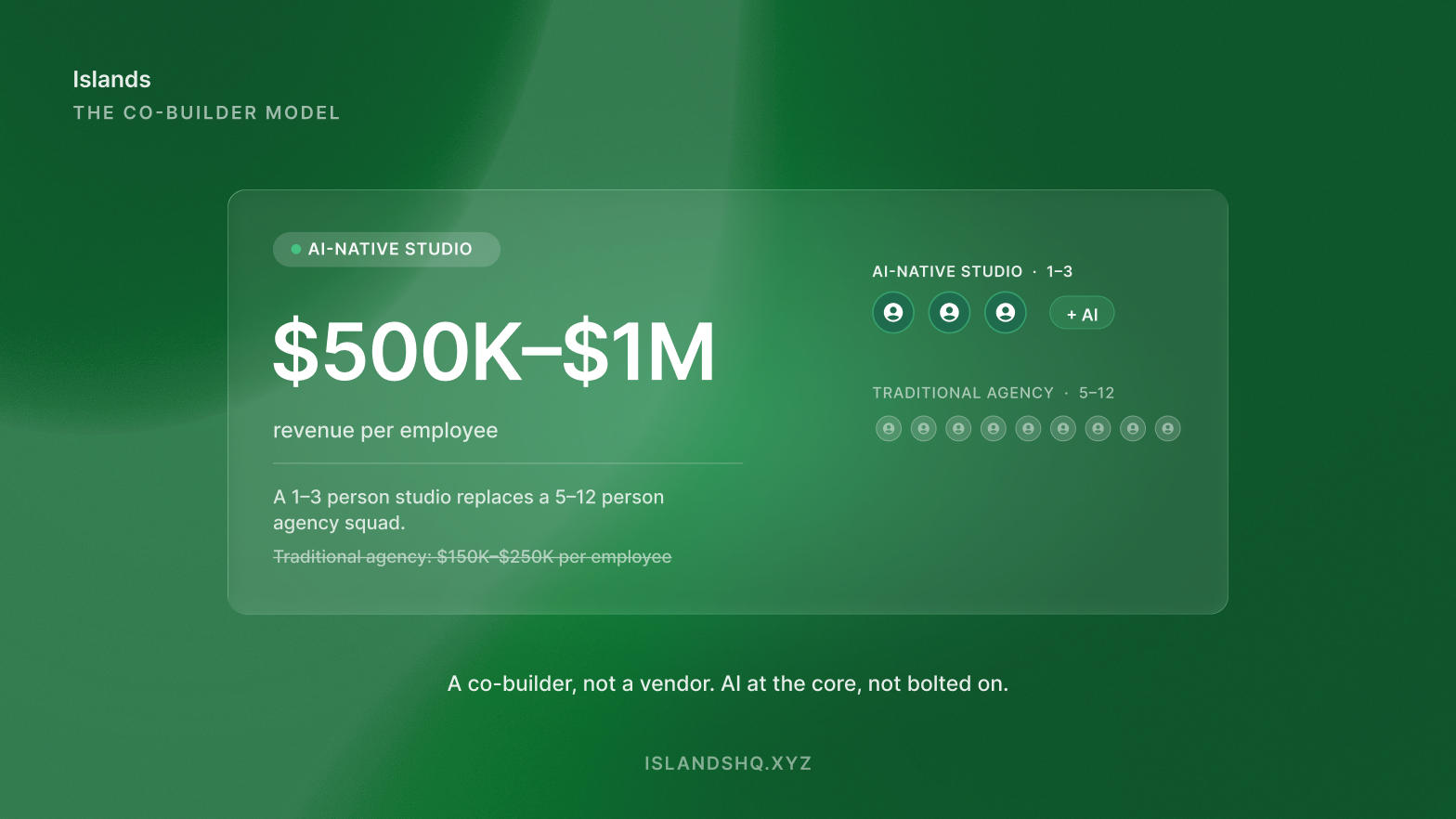
- Infrastructure over tools: AI-native studios achieve revenue per employee of $500k to $1M, vastly outperforming the $150k to $250k range of traditional agencies.
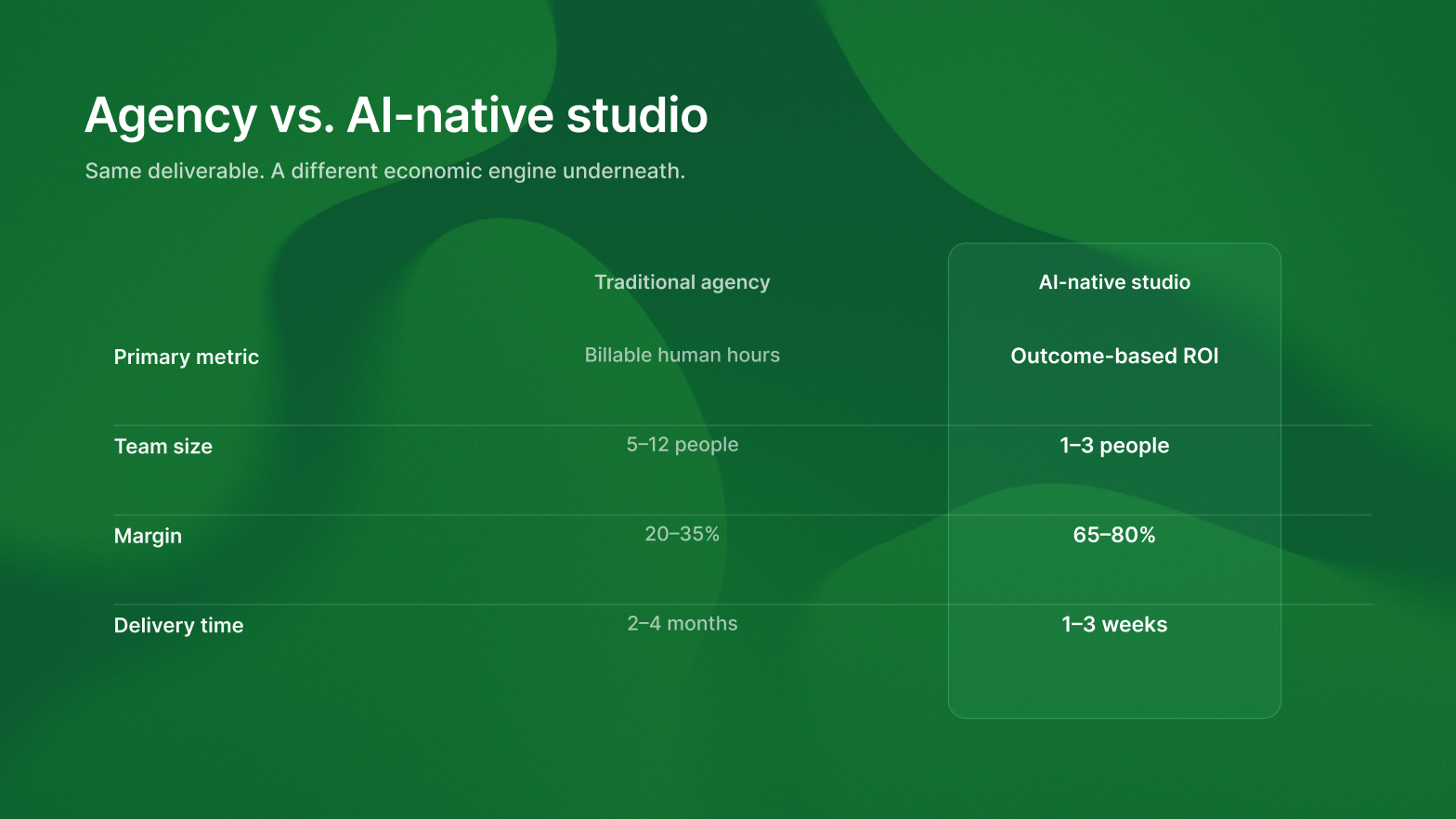
- Small senior teams: A 1 to 3 person studio team can replace a 5 to 12 person agency squad, shipping in weeks rather than months.
- Shared risk: The co-builder model aligns incentives through equity and R&D partnership rather than the hourly billing approach.
- Workflow replacement: The focus is on agentic autonomy, where software performs labor rather than just assisting human tasks.
I recently reviewed a Series B roadmap where AI features were being bolted onto old systems like a fresh coat of paint on a crumbling foundation. This approach creates a technical debt cycle that more employees simply cannot fix. For growth-stage leaders, hiring a traditional agency often leads to an architectural trap. You get assistants that add noise instead of agentic AI systems that replace workflows.
An AI-native product studio is a specialized venture model that builds software with generative AI at the core. Traditional agencies bill for human hours. In contrast, these studios use small, senior teams of 1 to 3 people to design and run AI workflows. This model treats AI as the operating layer rather than just a tool. It allows startups to move from prototypes to production up to 85% faster.
The agency vs. AI-native product studio model: why infrastructure beats tools
Traditional development agencies have a limited economic model. They bill by the hour or by headcount. This encourages them to staff projects with 5 to 12 people. An AI-native product studio works differently. AI handles 70% to 90% of the production. This lets humans focus on strategy, creative direction, and quality control.
Revenue per employee benchmarks
The financial efficiency of the studio model is clear. Traditional agencies often have gross margins between 20% and 35%. AI-native studios maintain margins of 65% to 80% by transitioning to an agentic office to eliminate information lags. This allows for a co-builder equity alignment. The studio acts as a venture partner rather than a vendor. Founders can prioritize venture studio partnerships to get production-ready systems immediately. A dedicated venture studio for AI provides the specialized infrastructure needed to scale these models.
The co-builder equity alignment
Agentic autonomy: the core of AI-native product discovery
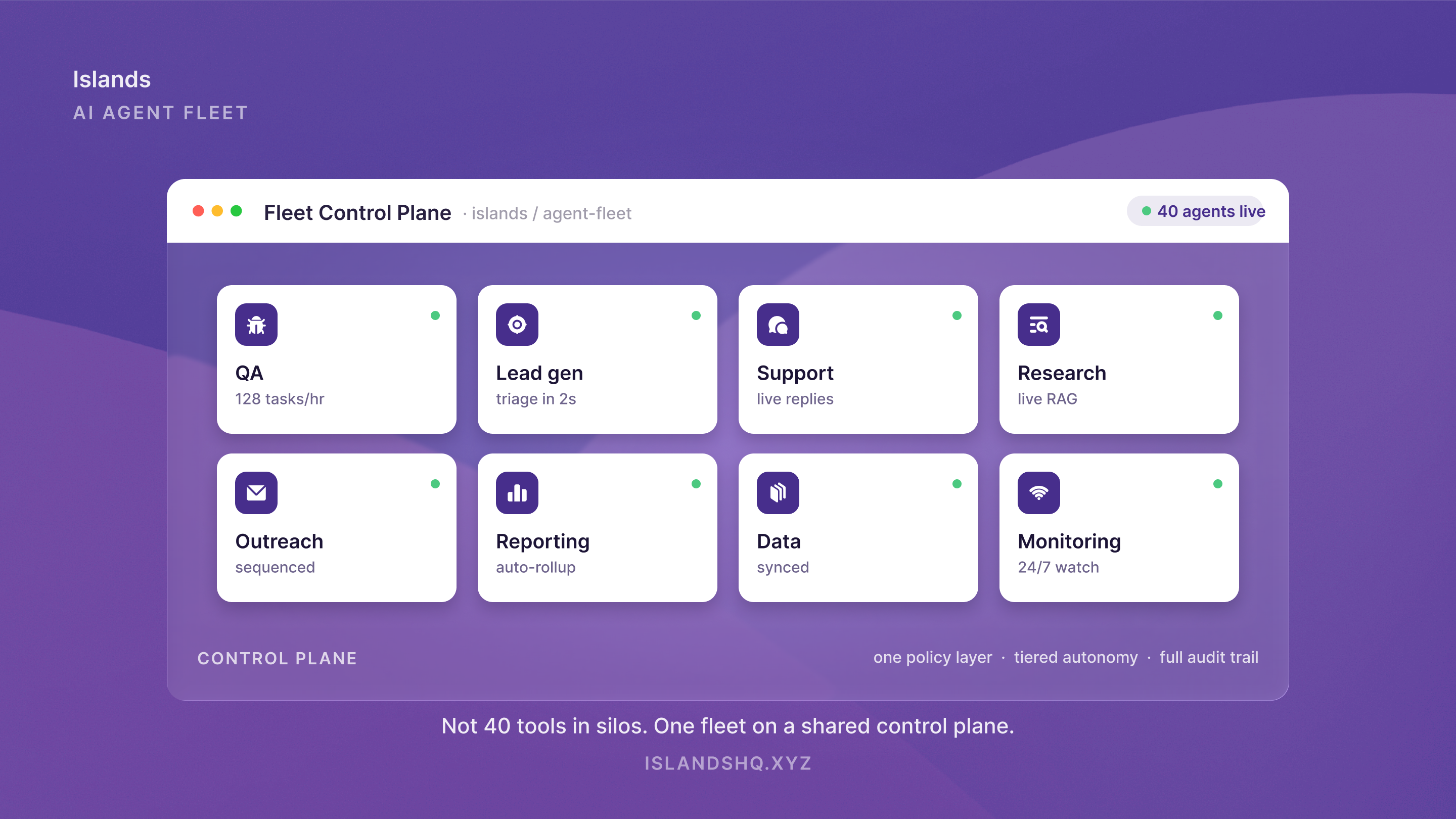
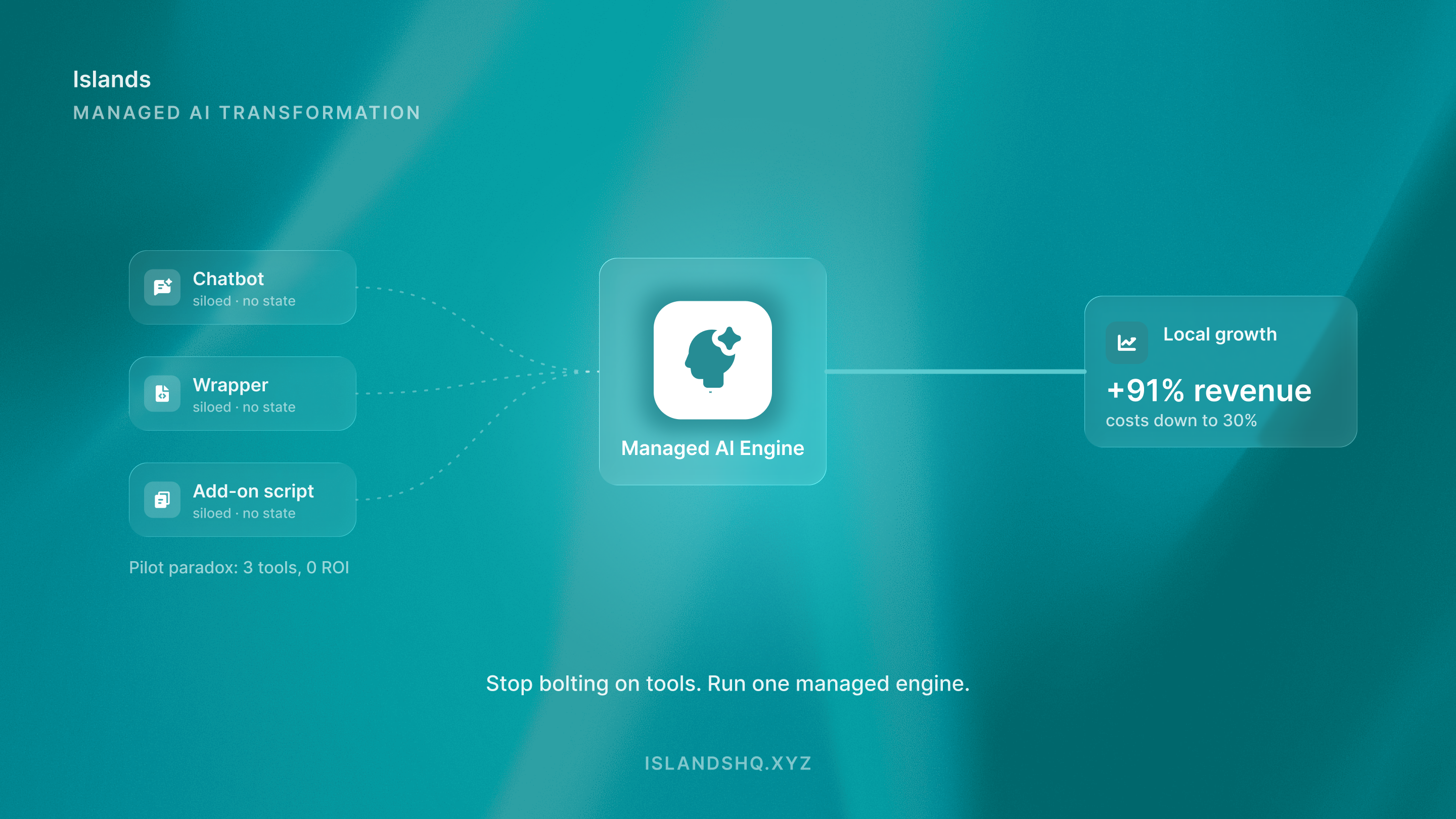
The main difference in the studio approach is agentic autonomy. Most AI products are just wrappers. They become useless if you remove the underlying model. A true AI-native product is built differently. The model and the engineering are part of the interface. This is a shift from simple assistance to full replacement. The implementation of workflow replacement AI ensures that internal processes are optimized for speed and accuracy.
Building these systems requires a new R&D playbook. You must move away from scripted automation. I call this the velocity tax. Instead, use intent-based testing systems that scale with compute rather than headcount. For example, autonomous QA agents show how agentic systems work. They can plan and take multi-step actions on their own. This depth is necessary for true process automation and ROI when speed is your only advantage.
Roadmap: transitioning to an AI-native co-builder model
- Audit for the Edit Tax: Identify where your team spends more time editing AI output than it would take to write it from scratch.
- Identify Workflow Lanes: Map out bounded operational processes where autonomous financial guidance or other agentic systems can handle steps end-to-end.
- Evaluate IP Interests: Choose a studio partner that offers clear IP protection while rewiring for AI scale across your architecture.
- Shift to Orchestration: Move your budget from prompt engineering to disciplined architectural infrastructure and programmatic pipelines. Engaging in AI coaching for founders can help leadership teams better understand these technical shifts.
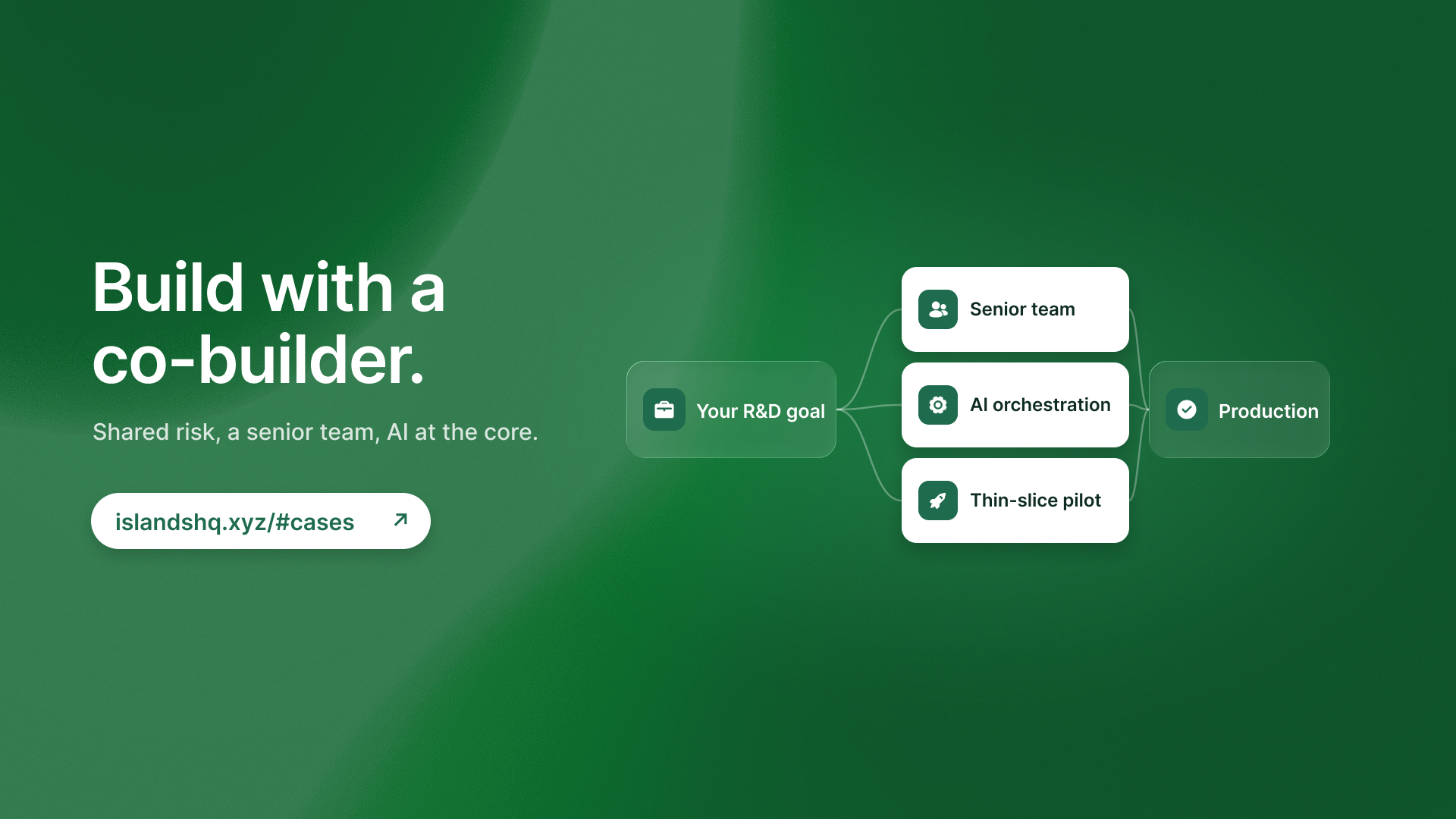
- Pilot a Thin Slice: Deploy a narrow, end-to-end production workflow, such as a production-grade RAG pipeline, to prove the model on real data before scaling.
The bottom line
For complex AI products, the hired gun model is dead. Founders should choose shared risk and deep R&D to avoid the gap between a demo and a real product. In 2026, the goal is clear: build infrastructure, not just tools. Contact us to audit your technical roadmap and move beyond the agency trap.
Success Stories
Read more