.svg)

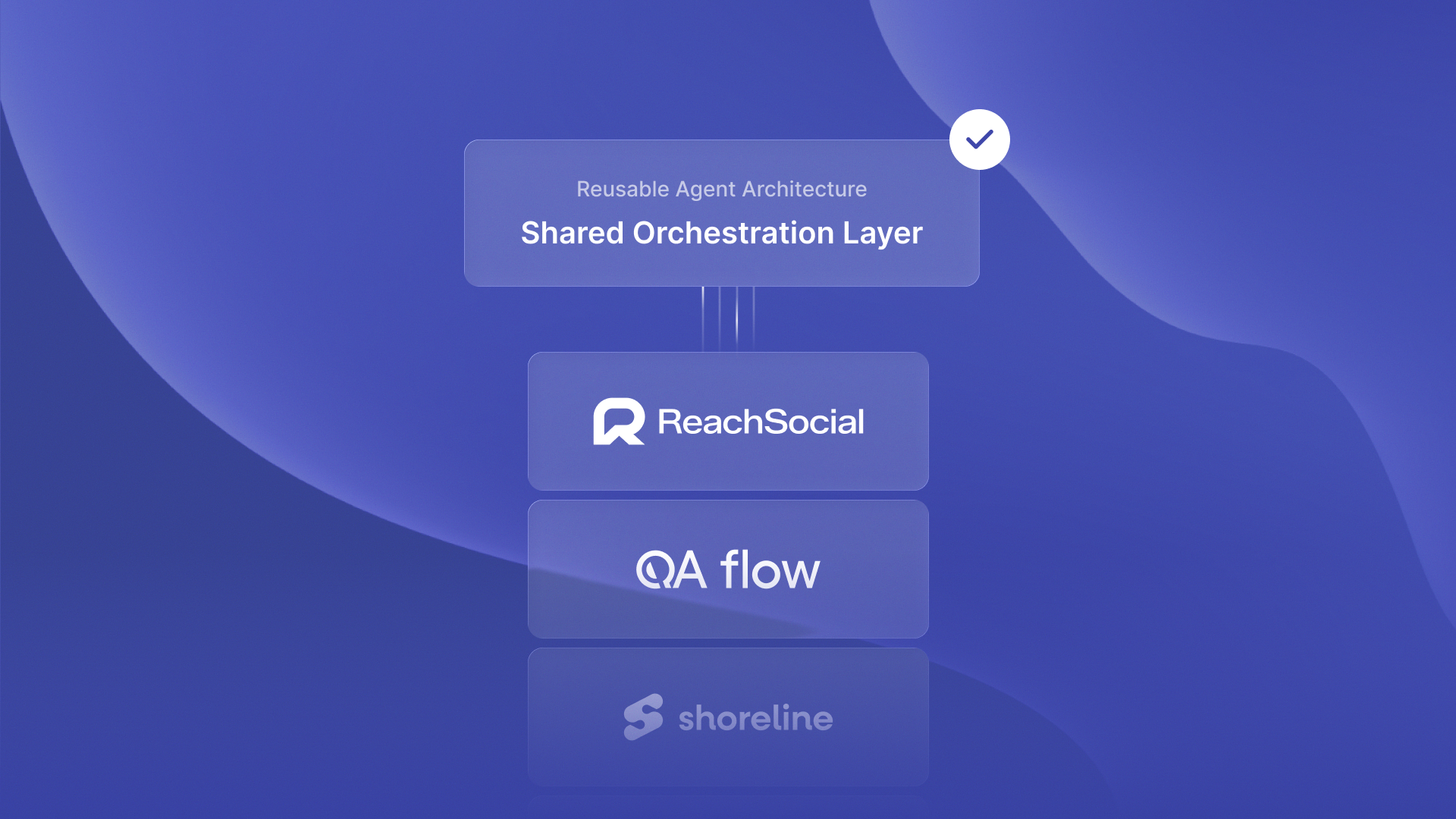
I've been seeing a recurring failure in Series B scaling lately. Many founders believe that every new AI initiative needs a dedicated engineering pod and a fresh architectural roadmap. This is the headcount trap. Startups assume scaling revenue requires a linear increase in FTEs. In my experience across our portfolio, shared infrastructure is the only way to keep operations lean while growing.
The shared infrastructure playbook
At Islands, we use proven playbooks and best-in-class tools to manage portfolio companies like DomainEasy. We do this without doubling the engineering team for every new venture. We treat AI as a horizontal layer rather than a vertical feature. This allows us to deploy production-ready autonomous systems in weeks. This architectural shift prevents the trap of building isolated, non-reusable assistants.
Choosing a fractional CTO for startups provides a strategic advantage by compressing deployment timelines. As we explored in Islands 2026, fractional engagements can move AI projects from concept to production in 2-3 months rather than a year. This speed comes from using a unified orchestration layer across multiple startups simultaneously.
Recycling agentic workflows
Workflows developed for QA flow or ReachSocial share core orchestration logic. We can port this logic to new industries like logistics or manufacturing. This recycling creates massive economic moats. When you aren't rebuilding the foundation every time, your speed-to-market becomes an unbeatable competitive advantage.
This approach solves the scaling problem that traditional hiring cannot. While fractional QA 2026 provides flexibility, it often still scales costs linearly with test suite growth. True efficiency requires moving beyond human-billable hours and into autonomous testing platforms that decouple coverage from headcount.
The economics of fractional leadership
Choosing between fractional vs full-time hiring 2026 is a strategic decision. Full-time marketing hires can cost over $800,000 in year one (GrowTal 2026). Meanwhile, fractional specialists deliver 67% cost savings. This allows startups to access tier-1 talent without the burn rate of a traditional C-suite.
These savings extend to specialized tools as well. Many small businesses use AI tools for growth 2025 to automate tasks that previously required mid-level managers. By combining fractional leadership with these automated systems, startups maintain a lower overhead while scaling output.
Three-part scaling framework
- Orchestration Layer: Use a shared stack like Temporal for state management to avoid monolithic architectural failures.
- Reusable Logic: Port outbound or testing workflows across domains to ensure logic isn't siloed.
- Fractional Leadership: Use ReachSocial or GrowTal to find specialized expertise that fits a variable cost model.
Strategic timing
Here's the reality: the secret isn't better prompts. It's a reusable orchestration layer that powers multiple autonomous agents. This is how you scale revenue without scaling headcount. Agencies often underestimate the true cost of freelancers by 30% to 50%. They often ignore management overhead, which a fractional CTO model removes.
Implementation speed
By leveraging existing frameworks, companies can bypass the typical six-month hiring cycle. This allows for immediate experimentation and iteration, which is critical in the rapidly evolving AI landscape.
Build for the future
The choice isn't about this quarter's growth. It's about building a foundation that supports multiple AI initiatives without breaking the bank. Islands is the expert partner for this architectural shift. The window for establishing this infrastructure is closing. Choose accordingly.
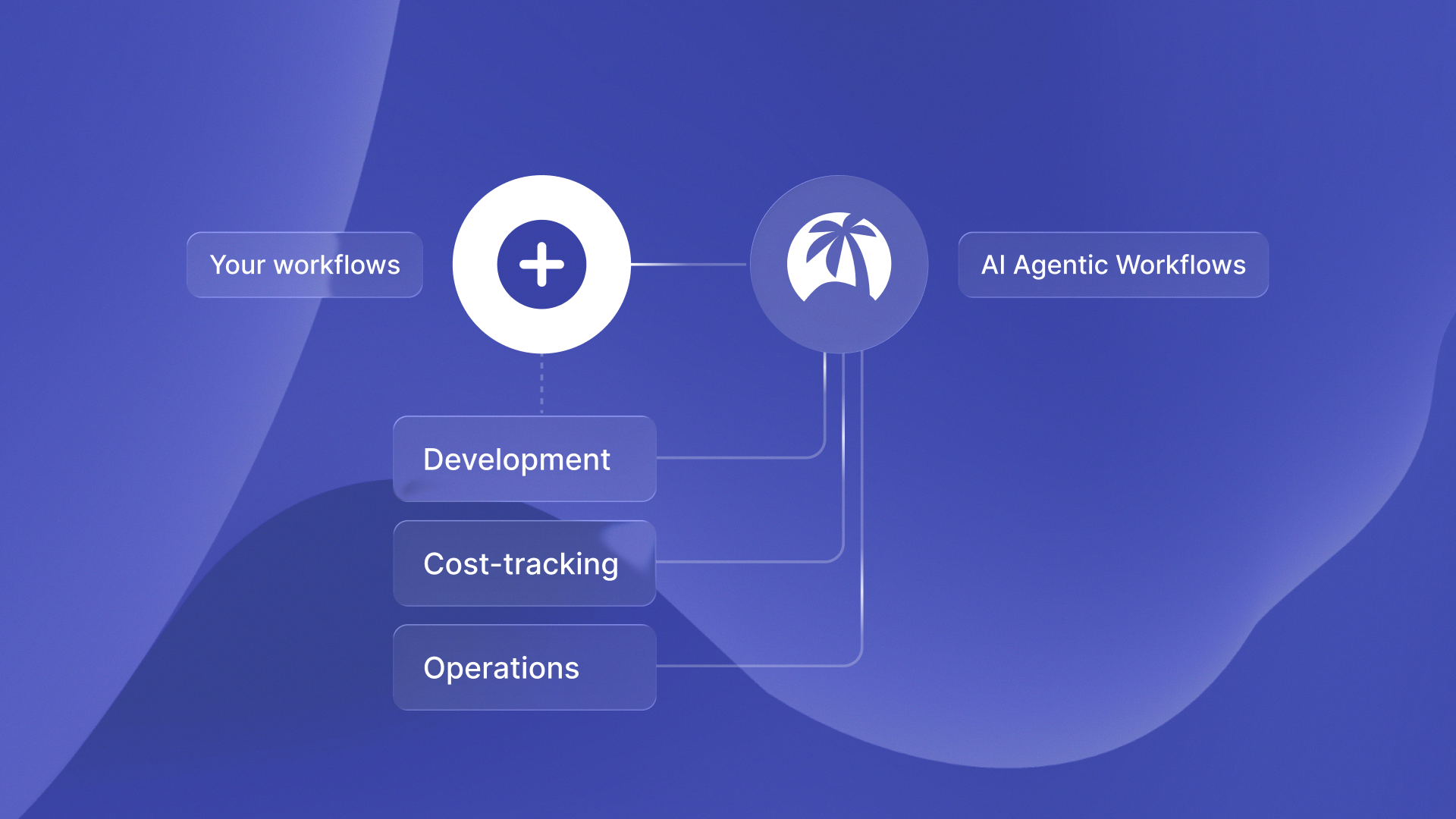
Ready to scale your venture without the headcount trap? Partner with Islands to deploy shared infrastructure today.
Success Stories

.svg)
