
AI powered image generation that actually innovates

260%
User growth in the first 3 weeks of launch
8.6
New trials daily, on average, through June
3.2x
Higher conversion rate with Meta Ads
TL;DR

Pose.ai needed AI-generated portraits realistic enough to pay for, fast and cheap inference, a clear audience and a sustainable growth model.
We built a face-detail pipeline (Flux.1 subject LoRA, Supir2k upscaling, Florence2 and SAM2 segmentation), rebuilt the backend as a modular monolith with CQRS, and ran the growth marketing.
Cosine similarity rose 28%, face verification accuracy 9%, inference time fell 40%, and users grew 260% in three weeks.
In the crowded AI image generation market, Pose.ai had cutting-edge technology and an innovative product vision. Potential alone does not drive growth.
Islands refined the value proposition, optimized the AI model for real-world scale, built a data-driven marketing strategy, and laid the foundation for a subscription model, taking Pose.ai from concept to a growing AI imaging platform.
The challenges
The challenge was delivering realistic, scalable and monetizable AI photography that users would pay for.
1. Make AI images look real
2. Fast, cost-effective generation
3. The right audience and positioning
Who benefits most from Pose.ai, and who would pay for it?
4. A sustainable growth model
Beyond viral traction, Pose.ai needed a monetization strategy for long-term revenue.
What we built
1. A high-performance AI engine
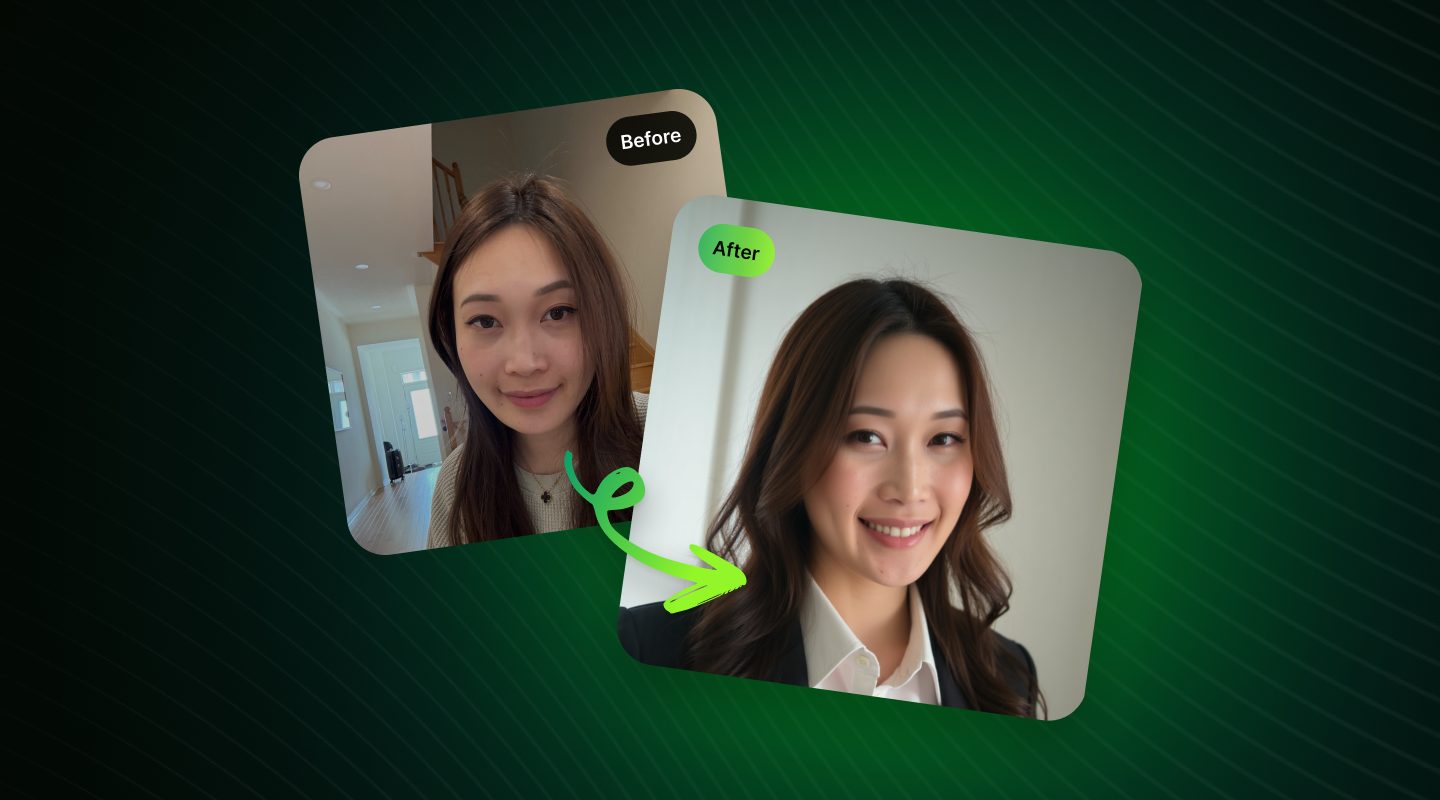
A Flux.1 subject LoRA fine-tuned on user-submitted images preserves facial detail, improving cosine similarity by 28% and face verification accuracy by 9%. Supir2k upscaling raised resolution while reducing noise artifacts by 40%. Florence2 and SAM2 segment facial regions to remove distortions in eyes, nose and mouth, and a face detailer workflow isolates the face, applies specialized LoRA models and blends it back in.
2. Rebuilding the backend for scale and speed
A tightly coupled system made new features and higher loads difficult. The backend was restructured into a modularized monolith with CQRS: independent modules per feature, a dedicated database schema per module, and optimized inference that cut processing time by 40%. Stabilizing the system came before reintegrating automated tests, and the architecture is ready for future microservices.
3. Mini-apps without infrastructure overhead
Instead of separate servers per mini-app (headshots, styling, virtual try-ons), one centralized backend supports them all, lowering infrastructure costs and letting new mini-apps launch without major system changes.
4. From awareness to adoption
Positioning moved from "AI-generated photos" to "Effortless, Professional-Grade Imaging. No Photoshop Needed," with the "Imagine Yourself Anywhere" campaign. Pose.ai attracted 113 users organically, then grew to 409+ in three weeks of Meta and Google campaigns, a 260% increase, with Meta converting 3.2× better than Google.
It reached a 23.5% trial-to-subscription rate, with 1,064 installs and 108 trials from April to May 25. Influencer-led ads delivered 158 installs at $5.24 CPI and a 2.37% CTR, CTR rose 42.5% after creative updates, and iOS CPI dropped 42% in one week.
Conclusion
Pose.ai grew from an innovative idea into a scalable, market-ready platform by combining advanced AI, a streamlined backend and data-driven marketing, with 500+ sign-ups in the three weeks after launch.
Next: AI-generated video, virtual try-ons for fashion and retail, more niche mini-apps and personalized engagement. Get in touch.
260%
User growth in the first 3 weeks of launch
8.6
New trials daily, on average, through June
3.2x
Higher conversion rate with Meta Ads
Use case: AI model, growth marketing, app | Industry: image generation
AI pipeline: Flux.1 subject LoRA, Supir2k upscaling, Florence2 and SAM2 face segmentation, face detailer workflow
Backend: modularized monolith with CQRS, per-module database schemas
Growth: Meta and Google campaigns, influencer creatives, CRO
FAQ
How do you make AI-generated portraits preserve facial identity?
Fine-tune a Flux.1 subject LoRA on the user's images, segment facial regions with Florence2 and SAM2, and run a face detailer workflow. On Pose.ai this raised cosine similarity by 28% and face verification accuracy by 9%.
How do you scale an AI image generation backend?
Restructure into a modularized monolith with CQRS and per-module schemas, and serve all mini-apps from one centralized backend. Inference time fell 40%.
How fast did Pose.ai grow after launch?
From 113 organic users to 409+ in three weeks of paid campaigns, a 260% increase, with a 23.5% trial-to-subscription rate.
Which ad channel performed best?
Meta, with 3.2× higher conversion than Google. More on production AI economics.
Florence2, SAM2,
Meta and Google Ads

Read more


